
Stretch Marks Treatment
Stretch marks, medically known as striae, are visible lines that develop when the skin stretches or changes rapidly, affecting the collagen and elastin structures within the dermis. They commonly appear during pregnancy, puberty, weight fluctuations or periods of significant physical growth.
Dr. Camellia Kamyab approaches stretch marks treatment through careful evaluation of skin condition, mark maturity and individual healing characteristics. The objective is to identify suitable methods for improving texture and reducing visibility while maintaining realistic expectations about what treatment can achieve.
The Story Written Into the Skin
Stretch marks develop when the skin’s supporting structures are disrupted during periods of stretching or hormonal change. Although the skin is naturally elastic, rapid changes can exceed its ability to adapt without altering the underlying tissue.
Genetics, hormonal influences, skin characteristics and the speed of physical changes can all affect their development. Stretch marks are not necessarily related to poor skincare or unhealthy habits, and they can occur in individuals of different ages and body types. Understanding their origin helps establish an appropriate approach to treatment.
Common Locations and Visible Changes
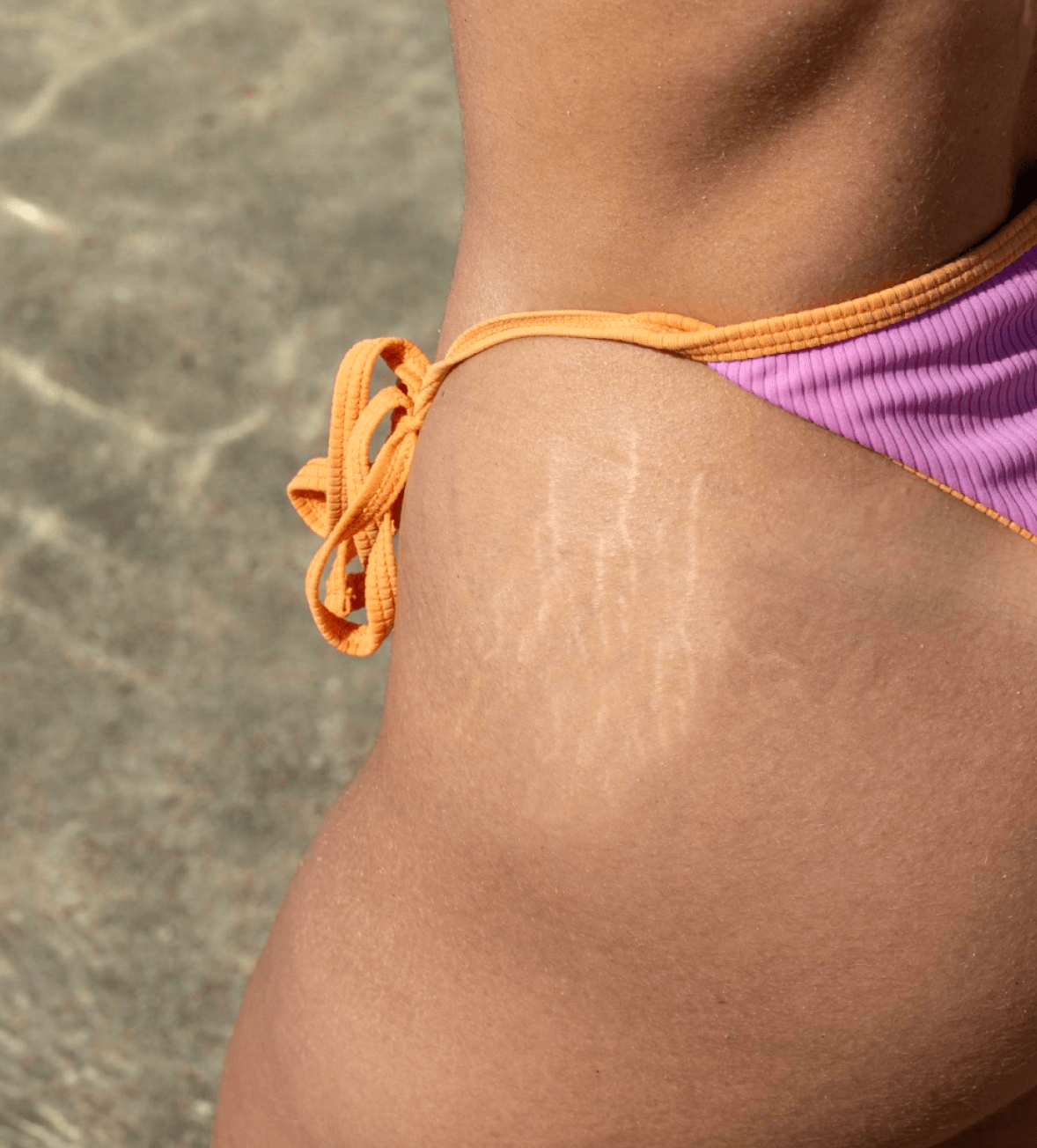
Stretch marks can develop wherever the skin experiences significant stretching. During consultation, Dr. Camellia examines their location, colour, depth and surrounding skin quality before discussing treatment possibilities. Areas frequently affected include:
- Abdomen: Changes associated with pregnancy or weight fluctuation
- Thighs: Lines following growth or changes in body composition
- Hips: Stretching around the outer hip area
- Buttocks: Changes in skin texture and elasticity
- Upper Arms: Marks associated with physical growth or weight changes
- Lower Back: Stretch marks developing during adolescence or rapid growth
The size and appearance of the affected area help determine which treatment options may be suitable.
Red, Purple or White: Reading the Different Stages
Stretch marks do not always look the same. Newly developed marks may appear pink, red or purple, reflecting changes within the affected tissue. Over time, they often become lighter, flatter and less noticeable.
Older stretch marks may appear white or silvery and can have a slightly depressed or wrinkled texture.
The age and appearance of the marks can influence treatment selection. Newer marks may respond differently from mature ones, although no treatment can guarantee their complete removal.
Collagen Remodelling as a Treatment Objective
Stretch marks involve structural changes within the skin, making collagen remodelling an important consideration in aesthetic treatment.
Certain procedures, including selected microneedling, fractional laser and energy-based techniques, may be considered to encourage a controlled skin-repair response. Their suitability depends on the type of stretch marks, skin characteristics and the specific technology available.
The intention is generally to improve texture and reduce contrast with the surrounding skin rather than eliminate the marks completely.
An Individual Plan for Altered Skin Texture
Stretch marks vary considerably between patients, and treatment should reflect these differences. A technique suitable for one skin type or stage of stretch marks may carry different risks or produce different results in another. Before recommending treatment, the assessment may consider:
- Colour and maturity of the stretch marks
- Depth and width of the affected lines
- Natural skin tone and pigmentation tendency
- Skin thickness and sensitivity
- Previous treatments and healing response
- Pregnancy or breastfeeding status
- Medical history and relevant medications
- Individual expectations
These factors guide treatment selection, particularly where there may be an increased risk of irritation, scarring or post-inflammatory pigmentation.
Book a ConsultationThe Importance of Treating Without Overstimulation
Stretch marks can be difficult to improve because their underlying structure differs from unaffected skin. More aggressive treatment does not necessarily produce better results and may increase the risk of unwanted skin changes.
Dr. Camellia’s approach emphasises choosing an appropriate technique and allowing sufficient recovery between procedures.
Some patients may benefit from a staged treatment plan, while others may have marks that are unlikely to improve meaningfully with available non-surgical options. Understanding these limitations is part of responsible treatment planning.
Gradual Refinement Rather Than Immediate Correction
Improvement in stretch marks usually develops over time. Treatments intended to stimulate collagen remodelling depend on the skin’s biological response, which can take weeks or months.
Temporary redness, swelling, tenderness or sensitivity may occur after certain procedures. The recovery period varies according to treatment intensity, skin type and the area being treated.
Patients receive specific aftercare instructions, which may include suitable skincare, avoiding irritation and protecting treated areas from unnecessary sun exposure. Multiple sessions may be recommended, although individual responses remain variable.
Improving Appearance While Respecting Natural Skin
Stretch marks are a common and generally harmless skin change. Treatment may help improve their texture or visibility, but complete removal is not a realistic expectation for most patients.
Those considering stretch marks treatment in Dubai can arrange a consultation with Dr. Camellia Kamyab to discuss the age, appearance and location of their marks, previous treatments and personal goals.
The aim is to develop a personalised strategy that supports gradual skin improvement while prioritising safety, realistic expectations and the natural characteristics of the skin.
SOCIAL WALL
 @drcamelliakamyab

YOUR JOURNEY STARTS WITH AN ASSESSMENT
Every treatment plan begins with understanding you.