
Hair Loss Diagnostics
Hair loss diagnostics involves investigating the possible causes of excessive shedding, thinning or changes in hair growth. Because hair loss can result from genetic, hormonal, nutritional or medical factors, identifying the underlying condition is an important step before selecting an appropriate treatment.
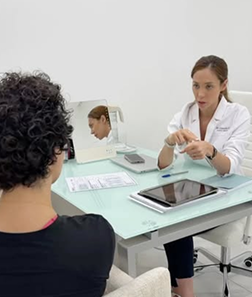
Dr. Camellia Kamyab approaches hair loss diagnostics through medical evaluation, examination of the hair and scalp, and targeted investigations where necessary. The objective is to distinguish between different forms of hair loss, identify relevant contributing factors and establish a clear foundation for personalised treatment planning.
Following the Timeline of Hair Changes
The timing of hair loss can provide important information about its possible cause. Some conditions develop gradually over several years, while others produce noticeable shedding within a relatively short period.
Temporary shedding may follow illness, significant stress, rapid weight changes or certain medications. Other conditions involve progressive changes in follicle activity that require a different management strategy. Understanding when the problem began, how quickly it progressed and whether similar episodes occurred previously helps narrow the potential causes.
Distinctive Patterns Lead to Different Questions
The distribution of hair loss can help guide diagnostic decisions. Different patterns may suggest different underlying conditions, although appearance alone is not always sufficient to establish a diagnosis. Common patterns evaluated include:
- Diffuse Thinning: Reduced density across larger areas of the scalp
- Patterned Hair Loss: Gradual changes around the hairline, crown or parting
- Patchy Hair Loss: Distinct areas of reduced or absent hair growth
- Excessive Shedding: Increased hair fall without obvious localised thinning
- Hair Breakage: Shortened or damaged strands rather than follicular loss
- Scalp-Related Hair Loss: Changes associated with inflammation or other scalp disorders
The findings help determine whether further examination, laboratory testing or specialist evaluation is appropriate.
Examining the Follicles More Closely
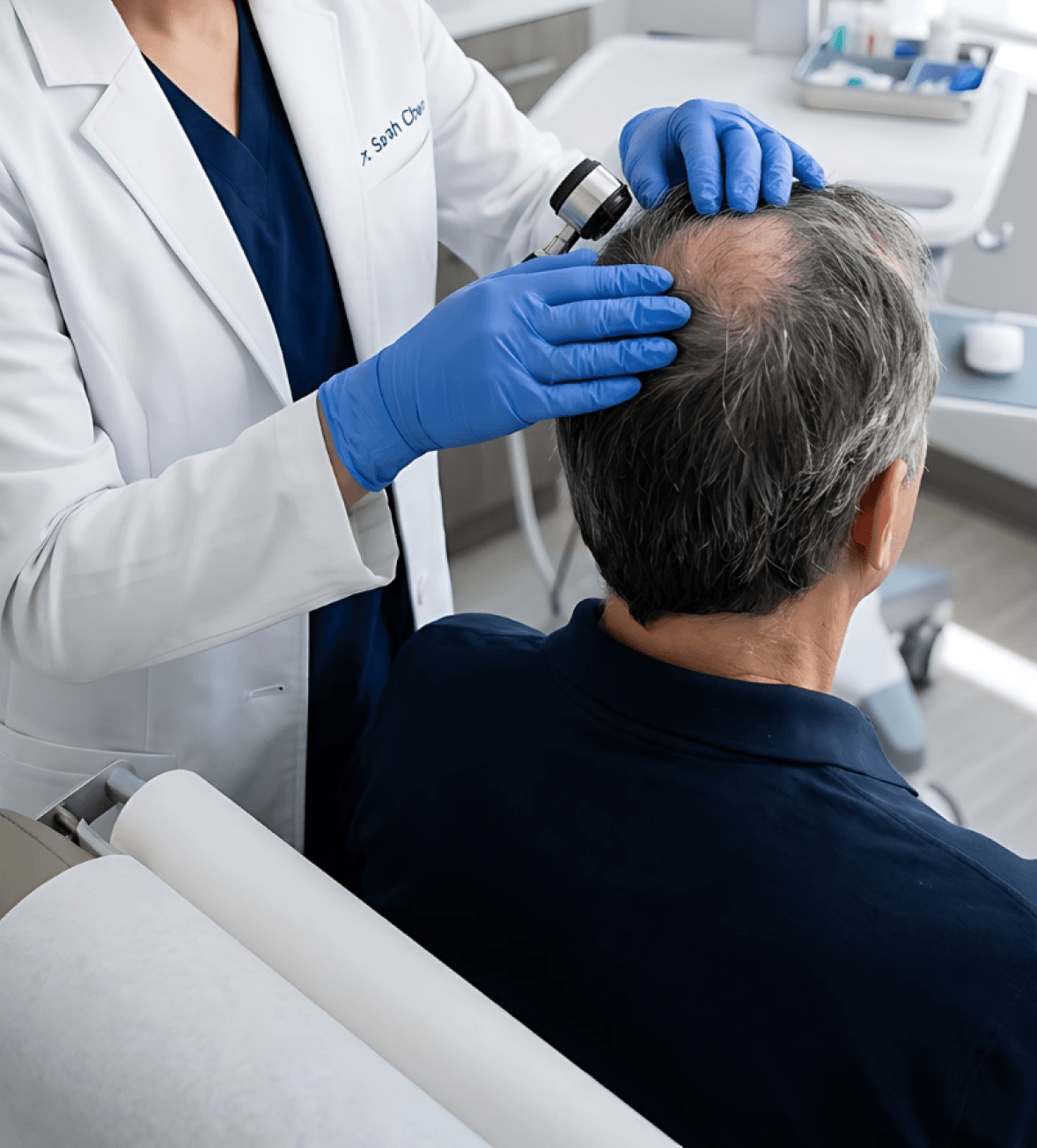
Clinical examination helps assess hair density, shaft thickness, scalp condition and the distribution of follicular changes. Where appropriate, magnified scalp examination, commonly known as trichoscopy, may provide additional information about follicle openings, hair calibre and visible scalp abnormalities.
These observations can help distinguish certain forms of hair loss. However, not every condition can be diagnosed through visual examination alone, and additional investigations may sometimes be necessary.
Blood Tests With a Specific Clinical Purpose
Selected laboratory investigations may be useful when medical history, symptoms or examination findings suggest an underlying contributor to hair loss. Depending on the individual circumstances, tests may evaluate thyroid function, iron status or relevant nutritional and hormonal factors.
Not every patient requires an extensive blood panel. Dr. Camellia considers which investigations are clinically justified rather than requesting the same tests for every form of hair thinning. Results are interpreted alongside the wider medical picture because an abnormal laboratory value does not always explain the hair loss.
Personal Health Factors Behind the Findings
Hair loss can reflect several overlapping influences, making medical history an essential part of diagnostic evaluation. The assessment may review:
- Family history of hair thinning
- Previous illnesses or medical conditions
- Hormonal changes and associated symptoms
- Nutritional habits and possible deficiencies
- Prescription medications and supplements
- Recent physical or psychological stress
- Previous hair restoration treatments
- Haircare routines and styling practices
These factors help identify potential triggers and determine whether additional testing or assessment is likely to provide meaningful information.
Recognising Conditions That Need Specialist Attention
Some forms of hair loss involve inflammatory or autoimmune processes that require prompt medical evaluation. Persistent scalp pain, significant inflammation, pustules or areas of scarring may indicate conditions capable of causing permanent follicular damage.
Where scarring alopecia or another complex scalp disorder is suspected, additional investigations or referral to a dermatologist may be necessary. In selected cases, a scalp biopsy may be recommended by the appropriate specialist. Early identification is particularly important when delaying treatment could result in irreversible hair loss.
Turning Diagnostic Results Into Treatment Decisions
The purpose of hair loss diagnostics is not simply to collect measurements. Findings should help establish whether the primary concern involves temporary shedding, progressive follicular changes, a scalp condition or another medical factor.
Some patients may benefit from treatment directed at an underlying condition. Others may be considered for hair restoration options, including PRP or selected regenerative approaches, where clinically appropriate. A confirmed diagnosis also helps establish realistic expectations, since different forms of hair loss have different treatment responses and long-term outcomes.
Clear Answers Before Hair Restoration Begins
Accurate diagnosis provides a more reliable starting point for managing hair loss. However, some conditions require continued observation, and the cause may not always be immediately identifiable.
Patients seeking hair loss diagnostics in Dubai can arrange a consultation with Dr. Camellia Kamyab to review their hair changes, scalp condition, medical history and previous investigations. The aim is to identify relevant causes, recommend appropriate diagnostic steps and establish a personalised direction for hair and scalp care.
SOCIAL WALL
 @drcamelliakamyab

YOUR JOURNEY STARTS WITH AN ASSESSMENT
Every treatment plan begins with understanding you.