
PIGMENTATION & MELASMA TREATMENT
Pigmentation concerns can appear as dark patches, uneven skin tone or marks that remain long after inflammation has settled. Melasma is a particular form of pigmentation that often affects the cheeks, forehead and upper lip, and may become more noticeable with sunlight, hormonal influences or heat.
Dr. Camellia Kamyab approaches pigmentation and melasma by identifying the type of discolouration before discussing treatment. Her focus is on protecting skin health, selecting appropriate options and achieving gradual improvement without unnecessarily irritating the skin.
DIFFERENT MARKS, DIFFERENT CAUSES
Not every brown mark is melasma. Sunspots, freckles and post-inflammatory hyperpigmentation can resemble one another, yet their causes and responses to treatment differ. Post-inflammatory pigmentation may follow acne, eczema or irritation.
Melasma, by contrast, commonly develops in broader, sometimes symmetrical patches and has a tendency to return after improvement. A precise diagnosis matters because the wrong treatment can worsen discolouration. New, changing or unusual pigmented lesions should be medically assessed before cosmetic treatment is considered.
MELASMA BEHAVES DIFFERENTLY FROM A SIMPLE SUNSPOT
Melasma is influenced by multiple factors, including ultraviolet exposure, visible light and hormonal changes. Pregnancy and certain hormonal medicines can contribute, although the condition does not have one cause in every patient.
It is also often recurring. Treatment may lighten patches, but even a good initial response does not mean the pigmentation has permanently disappeared. Management therefore involves prevention as well as correction.
READING THE PATTERN BEFORE CHOOSING A PRODUCT
During consultation, Dr. Camellia examines the colour, location and history of the patches, alongside the surrounding skin. The assessment helps distinguish melasma from other pigmentary conditions. Features that may guide the discussion include:
- Symmetrical patches across the cheeks or forehead
- Discolouration above the upper lip or along the jawline
- Dark marks left after acne or irritation
- A history of pigment changes during pregnancy
- Previous reactions to peels, lasers or skincare
- Skin sensitivity and natural pigmentation tendency
The pattern may indicate whether additional medical assessment is needed or whether a skin-focused treatment plan is appropriate.
LIGHT PROTECTION IS PART OF THE TREATMENT
Sun protection is essential when managing pigmentation, especially melasma. Ultraviolet radiation can stimulate pigment production, while visible light may also worsen melasma, particularly in darker skin tones.
Broad-spectrum sunscreen, protective clothing and shade form an important foundation. A tinted sunscreen containing iron oxides may provide additional protection against visible light. Consistent protection helps maintain progress made through other treatments.
CORRECTING COLOUR WITHOUT COMPROMISING THE BARRIER
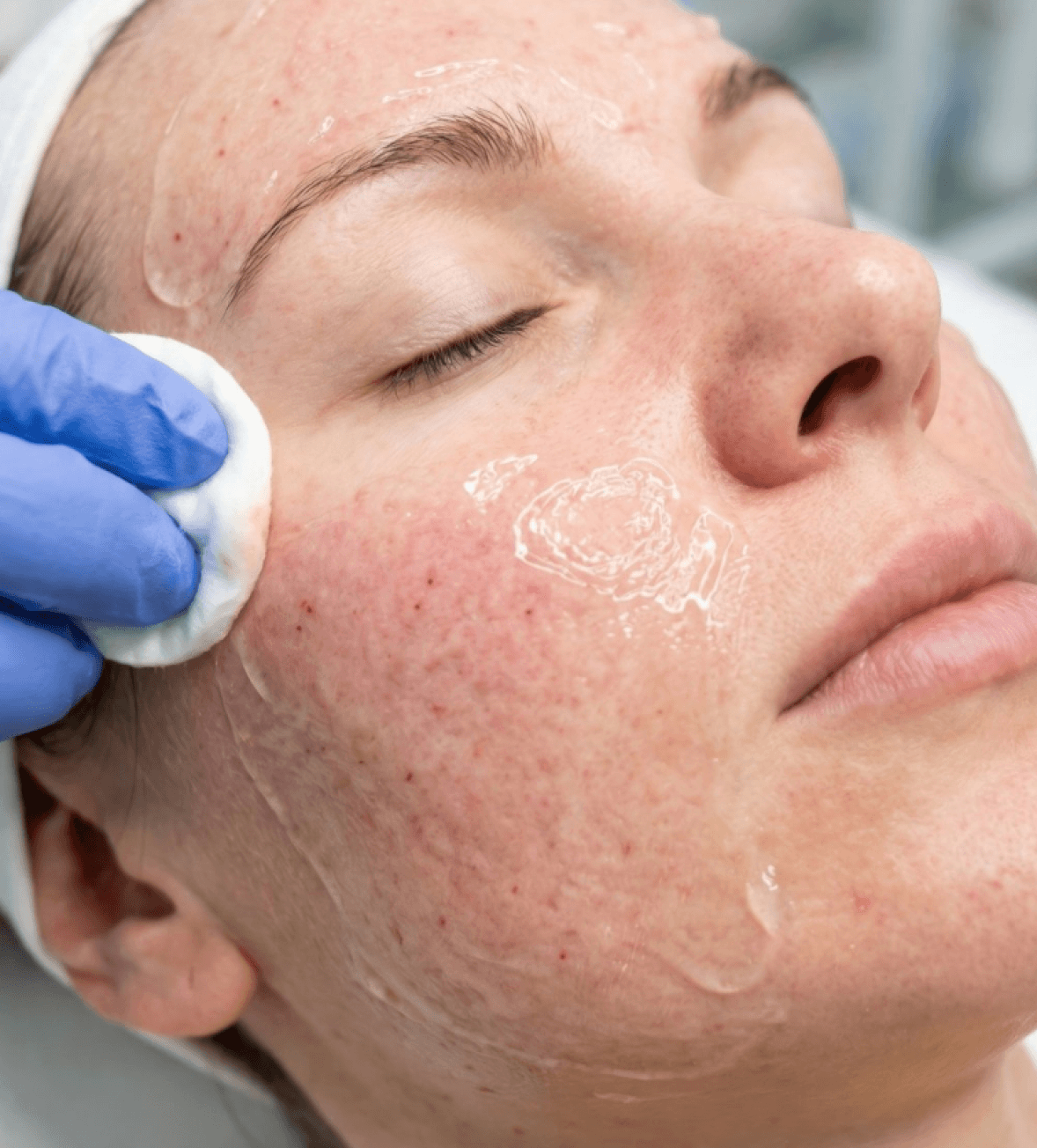
Topical treatment may involve carefully selected ingredients such as azelaic acid, retinoids or prescription pigment-reducing preparations where clinically appropriate. Their selection depends on the diagnosis, skin sensitivity and individual circumstances.
Combining several strong products can cause irritation, which may trigger further pigmentation. Dr. Camellia favours a measured approach that considers how well the skin tolerates each step rather than pursuing rapid fading at any cost.
THE VARIABLES THAT INFLUENCE A SAFER PLAN
Pigment treatment should account for more than the depth of colour. The likelihood of irritation and post-inflammatory pigmentation varies between individuals. Important considerations may include:
- Skin phototype and response to sunlight
- Duration and distribution of pigmentation
- Pregnancy or breastfeeding status
- Existing skin inflammation or acne
- Current products and prescription medicines
- Previous treatment outcomes and sensitivity
These details help establish an appropriate treatment sequence, including whether certain ingredients or procedures should be avoided.
Book a ConsultationPROCEDURES REQUIRE CAREFUL SELECTION
Chemical peels and selected laser or energy-based treatments may be considered for particular pigmentary concerns, but they are not automatically suitable for melasma.
Excessive heat or inflammation can provoke rebound pigmentation, especially in susceptible skin. Where a procedure is considered, the decision should reflect the diagnosis, expected benefit and risks rather than an assumption that a stronger treatment will work faster.
COLOUR IMPROVEMENT IS USUALLY A CONTINUING PROCESS
Pigmentation often fades gradually, and melasma may need ongoing maintenance. Progress is better evaluated over several weeks or months than immediately after starting a new product.
Follow-up allows the skin’s response to be reviewed and treatment adjusted if irritation, recurrence or limited improvement develops. Perfectly uniform skin is not a realistic guarantee, and some pigmentation may persist despite appropriate care.
A MORE EVEN TONE, WITH REALISTIC EXPECTATIONS
Pigmentation and melasma treatment can improve selected dark patches and uneven tone, but results depend on the condition involved, skin characteristics and consistent protection from light exposure.
Patients seeking pigmentation and melasma treatment in Dubai can arrange a consultation with Dr. Camellia Kamyab to discuss their skin history, previous treatments and goals. The aim is to build a personalised plan that supports clearer-looking skin while respecting its natural balance and long-term health.
SOCIAL WALL
 @drcamelliakamyab


YOUR JOURNEY STARTS WITH AN ASSESSMENT
Every treatment plan begins with understanding you.