
Hair & Scalp Assessment
A hair and scalp assessment is a detailed evaluation of hair growth, density, scalp condition and the factors that may influence overall hair health. It helps identify visible changes, recognise potential scalp disorders and distinguish between different patterns of thinning, shedding or hair breakage.
Dr. Camellia Kamyab approaches hair and scalp assessment through careful clinical examination and individual evaluation. Rather than recommending treatments based only on visible hair loss, the objective is to understand the condition of the scalp, identify relevant contributing factors and establish an appropriate direction for further care.
The Scalp Beneath the Symptoms
Healthy hair growth depends on functioning follicles and the condition of the surrounding scalp. Inflammation, irritation, excess scaling and certain dermatological conditions can affect the scalp environment and may contribute to hair-related concerns.
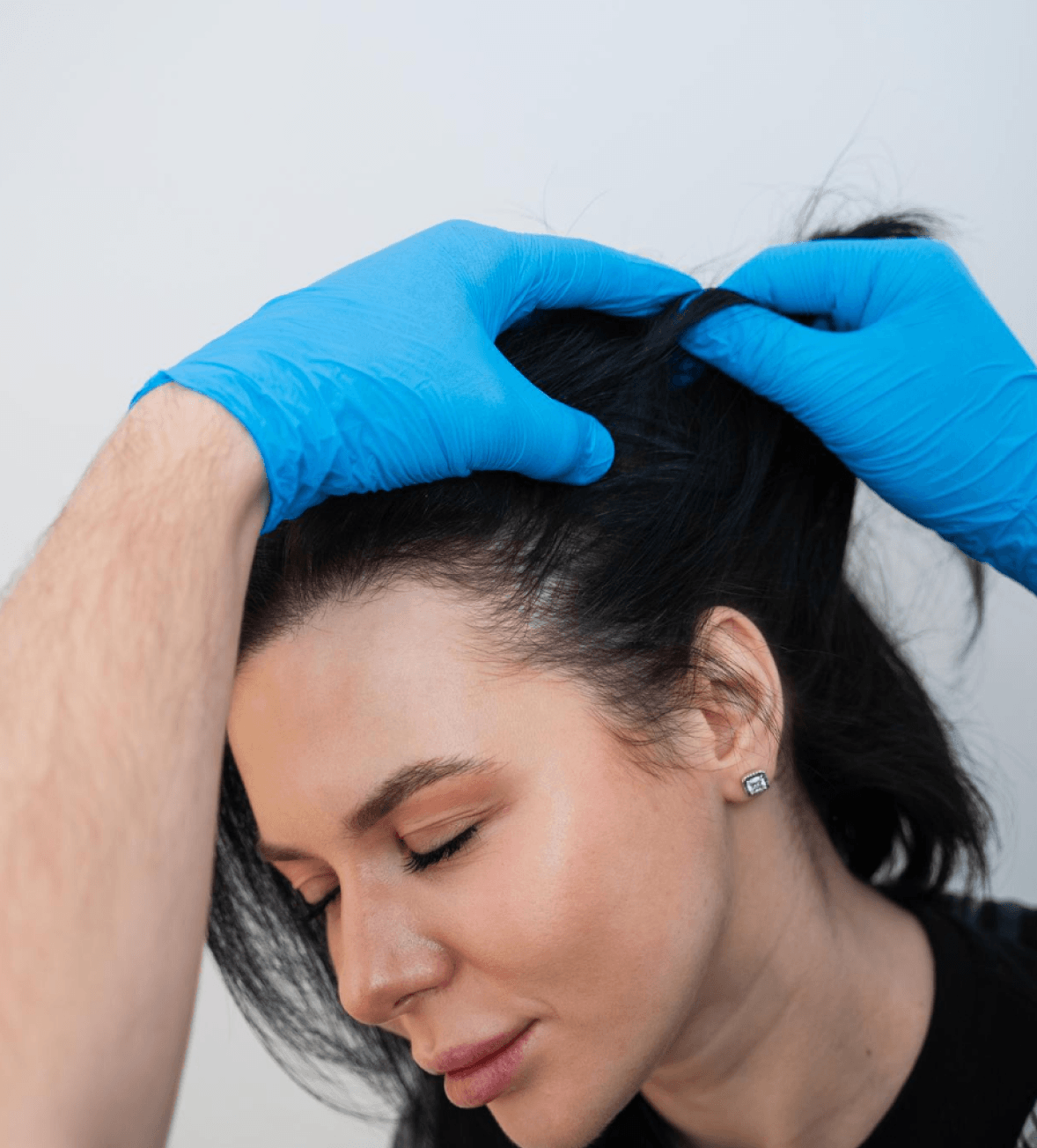
A scalp assessment examines more than the presence of visible hair. Skin condition, follicular openings and signs of irritation can provide important information about potential underlying problems. These findings help determine whether the concern requires scalp-focused care, further investigation or a broader hair loss evaluation.
Reading the Signs Across Hair and Skin
A detailed examination focuses on visible characteristics of both the hair and scalp. The aim is to identify changes that may influence diagnosis, treatment suitability and the need for additional assessment. Findings may include:
- Reduced hair density in selected areas
- Differences in individual hair thickness
- Excessive scalp scaling or flaking
- Redness, irritation or inflammation
- Broken or fragile hair strands
- Widening of the natural hair parting
- Localised patches of hair loss
- Changes around follicular openings
These observations are interpreted together rather than treated as separate problems. Certain findings may require additional dermatological investigation.
Hair Density Has a Distinct Distribution
Hair density naturally varies across different areas of the scalp. The hairline, temples, crown and central parting may show different patterns of growth and thinning.
Changes in these distributions can provide clues about the type of hair loss involved. Gradual thinning in a recognisable pattern may suggest a different process from diffuse shedding or isolated patches.
Dr. Camellia considers these variations alongside hair thickness and scalp visibility to understand how the condition may be developing.
Not Every Short Hair Is New Growth
Shorter hairs are sometimes interpreted as evidence of regrowth, but they can also result from breakage or changes in the hair growth cycle. Hair shafts may become fragile because of excessive heat styling, chemical processing, mechanical tension or certain hair and scalp disorders.
Distinguishing breakage from genuine hair loss is important because the treatment approach can differ considerably. Improving haircare practices may be appropriate for some patients, while others require further medical evaluation.
Your Hair History Completes the Picture
The scalp’s appearance represents only part of the evaluation. Understanding how hair changes developed can help distinguish temporary concerns from longer-term conditions. The consultation may explore:
- The beginning and progression of hair changes
- Family history of thinning or baldness
- Recent illness or significant physical stress
- Hormonal changes and relevant symptoms
- Haircare routines and styling practices
- Previous scalp or hair treatments
- Current medications and medical conditions
- Nutritional habits and lifestyle factors
These details help establish whether the observed changes may be associated with hereditary, environmental or medical influences.
A Closer View of Follicular Activity
Hair follicles produce strands through repeated growth cycles. Changes in follicular function can influence hair thickness, growth duration and the overall appearance of density. Clinical examination, sometimes supported by magnified scalp evaluation, may help identify differences in hair calibre, follicular openings and surrounding skin.
However, a visual examination cannot establish every cause of hair loss. Additional assessment may be necessary where the clinical findings remain unclear.
Recognising Conditions That Need Further Investigation
Certain scalp findings deserve particular attention. Persistent inflammation, painful areas, pustules or patches of hair loss accompanied by changes in the skin may indicate conditions requiring prompt medical evaluation. Some inflammatory scalp disorders can damage follicles and lead to permanent hair loss if left untreated.
Where findings raise concern about scarring alopecia or another underlying disorder, Dr. Camellia may recommend appropriate investigations or specialist referral rather than proceeding directly with cosmetic hair restoration.
Turning Clinical Findings Into Clear Priorities
A hair and scalp assessment does not automatically lead to PRP, mesotherapy or regenerative treatment. Its purpose is to clarify the concern and determine whether a particular intervention is appropriate.
Further investigations, including selected blood tests, may be recommended when clinically indicated. Some patients may require treatment for a scalp condition before considering hair restoration. A structured assessment also provides a useful baseline for monitoring changes in density, scalp health and treatment response over time.
Better Hair Decisions Begin With Accurate Assessment
Hair and scalp conditions vary considerably, and identifying their underlying causes is essential for realistic treatment planning. Not every form of thinning is reversible, and no single treatment is suitable for all patients.
Patients seeking a hair and scalp assessment in Dubai can arrange a consultation with Dr. Camellia Kamyab to discuss scalp concerns, hair changes, previous treatments and individual goals. The aim is to establish a clearer understanding of hair health and identify appropriate next steps based on clinical findings.
SOCIAL WALL
 @drcamelliakamyab


YOUR JOURNEY STARTS WITH AN ASSESSMENT
Every treatment plan begins with understanding you.