
Body Composition Assessment
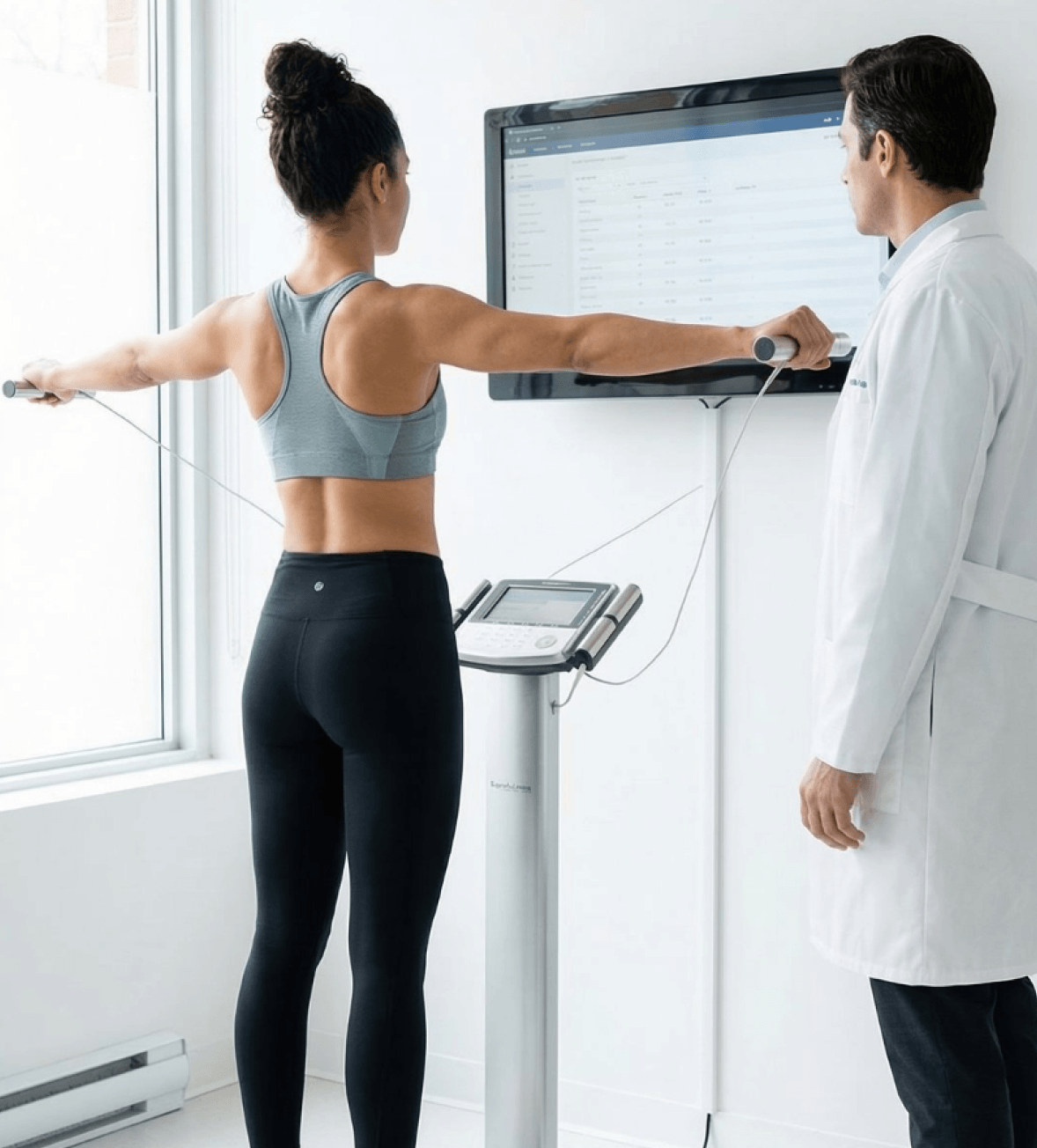
Body composition assessment examines the proportions of fat, muscle and other tissues that contribute to overall body weight. It provides additional insight beyond the number on a scale, particularly when changes in physical activity, lifestyle or ageing raise questions about health.
Dr. Camellia Kamyab considers body composition as part of a broader medical evaluation. Her approach focuses on understanding individual measurements alongside metabolic health, lifestyle and medical history, helping patients identify meaningful priorities for long-term wellbeing.
Beyond Weight: Understanding Your Body's Makeup
Body weight alone cannot explain the relationship between muscle, fat and other tissues. Two individuals with identical weights may have significantly different body compositions, physical capabilities and metabolic risk factors.
Changes can also occur without noticeable differences on the scale. Someone may lose muscle while gaining fat, or improve muscle mass while maintaining a similar weight. Body composition assessment provides additional information to help interpret these changes within the individual’s wider health picture.
Fat Distribution and Its Connection to Health
The location of body fat can be as relevant as the total amount. Fat concentrated around the abdomen may be associated with different metabolic and cardiovascular risks compared with fat stored elsewhere.
However, body fat percentage alone cannot diagnose metabolic dysfunction or determine overall health. Dr. Camellia considers fat distribution alongside relevant clinical findings, lifestyle factors and medical history to determine whether additional investigation or preventive guidance may be appropriate.
Decoding the Measurements Behind Your Results
Body composition reports may provide several measurements, depending on the assessment method used. Understanding their significance helps avoid focusing excessively on one number. Relevant indicators may include:
- Body Fat Percentage: Estimated proportion of total body weight made up of fat
- Fat Mass: Estimated total weight of fatty tissue
- Skeletal Muscle Mass: Estimated muscle contributing to movement and physical function
- Lean Body Mass: Body weight excluding fat mass
- Fat Distribution: Information about where body fat is concentrated
- Body Weight Trends: Changes observed between comparable assessments
These measurements provide useful context but should not be interpreted as independent indicators of health.
The Science Behind Composition Testing
Different technologies can be used to estimate body composition. Bioelectrical impedance analysis measures the body’s resistance to a small electrical current, while dual-energy X-ray absorptiometry (DXA) provides another method of assessing fat and lean tissue when clinically appropriate and available.
Each method has strengths and limitations. Results can vary between devices, making consistent measurement techniques particularly important when monitoring changes. The assessment method should reflect the clinical question rather than simply the amount of information a device can produce.
Small Fluctuations Can Have Different Explanations
Hydration, recent meals, exercise and measurement timing may influence certain body composition readings, particularly those obtained through bioelectrical impedance. A temporary change in estimated muscle or fat percentage does not always reflect an actual change in body tissue.
For this reason, repeat assessments should ideally take place under comparable conditions. Dr. Camellia considers these factors before interpreting minor differences or recommending changes to an existing health plan.
Bringing Lifestyle and Clinical History Together
Body composition becomes more meaningful when the results are considered alongside individual circumstances. Medical history, nutrition and physical activity can all influence the interpretation of measurements. The evaluation may consider:
- Age and stage of life
- Previous weight fluctuations
- Current health conditions and medications
- Dietary habits and nutritional intake
- Physical activity and resistance exercise
- Sleep and recovery patterns
- Previous medical investigations
- Personal health and fitness goals
These details help establish whether further medical assessment, lifestyle adjustments or continued observation may be appropriate.
Preserving Strength Through the Ageing Process
Maintaining muscle mass is an important consideration in healthy ageing. Muscle contributes to mobility, strength, balance and everyday physical function. Ageing, inactivity and certain medical conditions may contribute to muscle loss, even without substantial changes in total body weight.
Depending on individual findings, recommendations may include appropriate physical activity, nutritional adjustments or further investigation where clinically indicated. The objective is to support functional health rather than pursue a particular body composition percentage.
Tracking Meaningful Changes Over Time
An initial assessment provides a baseline that can be used for future comparisons. Follow-up measurements may help evaluate changes associated with lifestyle modifications, medical care or weight management.
Progress should not be judged through body composition figures alone. Strength, physical function, waist measurements and relevant clinical markers may provide additional context. The timing of follow-up depends on individual goals and whether repeat assessment is likely to influence medical recommendations.
Turning Body Data Into Healthier Decisions
Body composition assessment can provide valuable information about physical health, but it cannot predict future wellbeing or establish one ideal body shape for everyone.
Patients seeking body composition assessment in Dubai can arrange a consultation with Dr. Camellia Kamyab to review their measurements, medical history and personal objectives. The aim is to use relevant findings to support realistic, individualised decisions about metabolic health, physical function and healthy ageing.
SOCIAL WALL
 @drcamelliakamyab




YOUR JOURNEY STARTS WITH AN ASSESSMENT
Every treatment plan begins with understanding you.