
PRP Skin Rejuvenation in Dubai
Platelet-Rich Plasma (PRP) is a treatment prepared from a small sample of the patient’s own blood. After processing, the platelet-rich portion may be used in selected aesthetic procedures with the aim of supporting skin quality and the body’s tissue-repair processes. Its potential role in facial rejuvenation continues to be studied.
Dr. Camellia Kamyab considers PRP within a broader examination of skin texture, facial anatomy and previous treatments. The decision is guided by the concern being addressed, rather than the assumption that every change in skin quality needs a regenerative procedure.
Your Own Blood, Carefully Prepared
Platelets are blood components best known for helping clot formation. They also release growth factors involved in normal tissue repair. To prepare PRP, blood is collected and processed in a centrifuge to separate and concentrate the platelet-containing component.
The final preparation can differ according to the collection system and processing method. This variation matters because studies have not established one universally effective PRP formulation or treatment protocol for facial skin rejuvenation.
Skin Renewal Is Not the Same as Filling
PRP is not a conventional dermal filler and is not intended to create structural projection in the cheeks, lips or jawline. Instead, researchers have investigated its possible effects on skin thickness, elasticity and fine lines.
Some clinical studies have reported improvements, but findings are inconsistent, particularly for hydration and pigmentation. PRP cannot be relied upon to replace lost facial volume, erase deep wrinkles or correct significant skin laxity.
Changes That May Prompt a PRP Discussion
An assessment helps distinguish a skin-surface concern from a change in deeper facial support. PRP may enter the conversation where a patient notices:
- Fine surface lines and early creasing
- Skin texture that appears uneven or less smooth
- Changes in elasticity or skin resilience
- Delicate-looking skin in suitable facial areas
- Interest in a gradual skin-quality approach
- Previous aesthetic treatments requiring review
These findings do not automatically establish suitability. Acne, melasma or deeper scarring may need a different, more established treatment strategy.
Injections and Microneedling Are Different Choices
PRP can be administered through selected skin injections or studied as an adjunct to microneedling and other procedures. Each method has different implications for treatment depth, recovery and evidence.
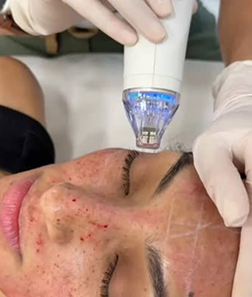
Microneedling itself stimulates a controlled repair response, so improvement after a combined session cannot always be attributed to PRP. Dr. Camellia considers the value of each component separately before suggesting a combination.
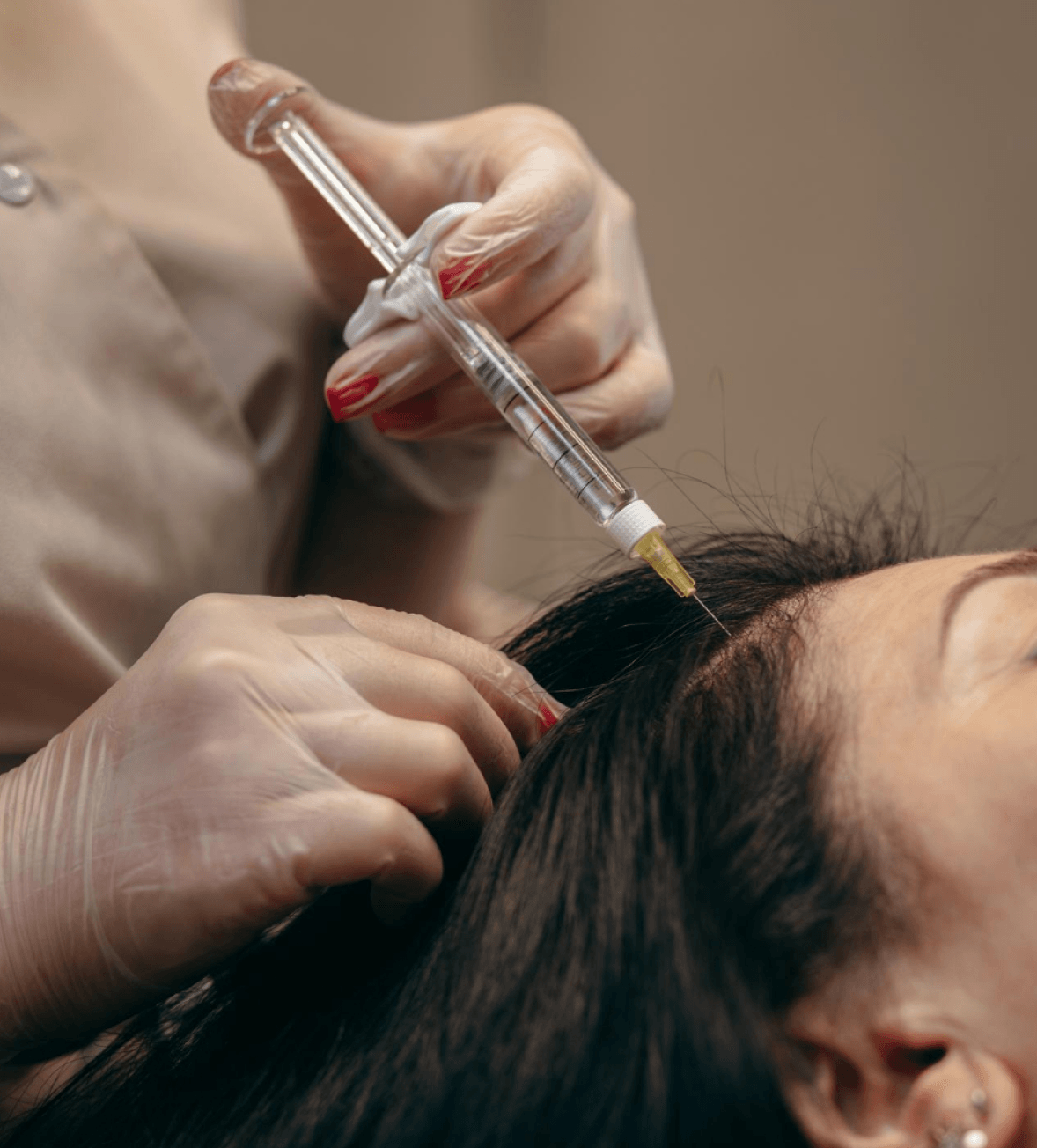
PRP used for facial skin is distinct from PRP planning for scalp thinning. Although both use the patient’s blood, they address different tissues, treatment goals and clinical questions. A result in one setting should not be assumed in the other.
Medical Details Behind an Autologous Treatment
Using the patient’s own blood reduces some product-related concerns, but it does not remove the need for medical screening or sterile handling. Before considering PRP, the consultation may review:
- Platelet or bleeding disorders and relevant blood-test findings
- Anticoagulant use and other current medications
- Active infection or inflammation around the proposed area
- Previous procedures and unusual healing responses
- Medical conditions affecting treatment suitability
- Expectations about downtime and likely improvement
These factors help determine whether PRP should be considered, postponed or avoided.
Book a ConsultationInside a Skin-Focused PRP Appointment
If suitable, a blood sample is collected, prepared using a dedicated system and applied or injected according to the planned procedure. Skin preparation, treatment sites and session timing depend on the clinical indication.
Because blood collection and skin penetration are involved, appropriate infection control is essential. PRP is not automatically safer simply because it is autologous.
The Days After Need Sensible Care
Temporary redness, tenderness, swelling or bruising can follow injections. When microneedling is included, additional sensitivity or dryness may occur. Risks also include infection and other procedure-related complications.
Aftercare instructions depend on what was performed. Patients should seek medical advice if they develop worsening pain, increasing redness, discharge or an unusual reaction.
Sun exposure, everyday skincare and the condition of the skin barrier can affect the apparent result. These factors are reviewed alongside any planned procedure because PRP should not replace sensible photoprotection or care for an underlying skin condition.
Letting Evidence Set the Expectation
Changes in skin appearance, if they occur, are usually assessed over weeks or months. Some approaches involve a series of appointments, but there is no universal session schedule with guaranteed results.
Treatment should be reassessed against the patient’s priorities rather than repeated solely because it was offered previously.
Patients considering PRP skin rejuvenation in Dubai can arrange a consultation with Dr. Camellia Kamyab to discuss their skin concerns, treatment history and available alternatives. The aim is to decide whether PRP offers a reasonable option while preserving natural facial characteristics and avoiding unnecessary procedures.
SOCIAL WALL
 @drcamelliakamyab

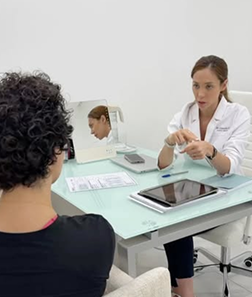
YOUR JOURNEY STARTS WITH AN ASSESSMENT
Every treatment plan begins with understanding you.