Pigmentation Treatment in Dubai: A Guide to Melasma and Dark Spots
Brown patches, uneven tone and marks left after acne are among the most common skin concerns in a sunny climate. Yet “pigmentation” is not one diagnosis. Melasma, post-inflammatory hyperpigmentation, freckles, sun spots and certain medical conditions can look similar but respond differently. Effective pigmentation treatment in Dubai therefore begins with diagnosis, not a strong peel or laser package.
Melanin is the pigment that gives skin its colour and helps protect it from ultraviolet radiation. Pigmentation becomes visible when melanin production or distribution changes. Sunlight, visible light, heat, hormones, inflammation, medicines and genetics can all play a role.
Common Types of Facial Pigmentation
Melasma
Melasma usually appears as symmetrical brown or grey-brown patches on the cheeks, forehead, upper lip or jawline. Hormonal changes and sun exposure are frequent triggers. It can improve with treatment but tends to recur, so maintenance and daily light protection are important.
Post-inflammatory hyperpigmentation
PIH develops after inflammation or injury, including acne, eczema, burns, picking, aggressive facials or unsuitable procedures. It is especially common and persistent in medium to deep skin tones. Treating the original inflammation is as important as fading the mark.
Sun spots and freckles
Freckles often darken with sun exposure, while solar lentigines are more defined spots associated with cumulative UV exposure. A dermatologist should examine any new or changing lesion rather than assuming it is cosmetic pigmentation.
Why Pigmentation Can Be Challenging in Dubai
UAE sunlight is intense throughout much of the year. UVA can pass through windows, and visible light may worsen melasma and dark marks. Heat can also trigger flushing and may aggravate melasma in some people. This means doctor-guided treatment will be less effective if daily protection is inconsistent.
Another challenge is overtreatment. A peel, laser or home remedy that causes irritation can create more inflammation and darker pigmentation, particularly in skin of colour. Faster is not always safer.
Sun and Visible-Light Protection
Broad-spectrum, water-resistant sunscreen with SPF 30 or higher is the foundation of most pigmentation plans. Apply enough, cover the hairline and ears, and reapply when outdoors, sweating or wiping the face. Shade, hats and avoiding peak exposure provide additional protection.
For melasma and PIH, a tinted sunscreen containing iron oxide can add protection from visible light. The best sunscreen is one you can use consistently without irritation or clogged pores.
Topical Treatments for Pigmentation
Depending on the diagnosis, a doctor may recommend azelaic acid, vitamin C, retinoids, glycolic acid, kojic acid, hydroquinone or a prescription combination. These ingredients work in different ways and can irritate when layered without a plan.
Hydroquinone can be effective under medical supervision but is not intended for indefinite, unsupervised use. Retinoids and several prescription options are unsuitable during pregnancy. Imported “whitening” products can contain undeclared steroids or mercury, which may thin, irritate or permanently discolour the skin and can harm general health.
Peels, Microneedling, Lasers and Light Treatments
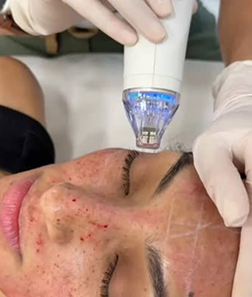
Chemical peels may help selected superficial pigmentation when the acid, strength and contact time are matched to the skin. Microneedling and energy-based devices can be considered in some treatment plans, but they are not automatically the first step.
Lasers and light devices target pigment or support skin renewal. The wrong wavelength, energy or diagnosis can cause burns, rebound melasma, hypopigmentation or darker marks. Darker skin tones require particular care. For melasma, procedures are commonly combined with topical treatment and strict protection rather than used as a stand-alone cure.
How Long Does Pigmentation Take to Fade?
Superficial marks may lighten over months, while deeper pigmentation can take much longer. Melasma often needs ongoing maintenance because triggers remain present. Progress should be measured with consistent photographs rather than day-to-day mirror checks.
Stopping a trigger, controlling acne or eczema, and protecting the skin from light may be the most important early steps. Adding stronger treatment before the skin barrier is calm can delay progress.
When Should Pigmentation Be Checked by a Doctor?
Arrange an assessment if a spot is new, changing in size, shape or colour, bleeding, crusting, painful or different from your other marks. Pigmented skin cancers and other conditions can be mistaken for cosmetic pigmentation. A medical diagnosis should come before any attempt to lighten a suspicious lesion.
Choosing the Best Pigmentation Treatment in Dubai
Searches for best pigmentation treatment Dubai, melasma treatment Dubai and dark spot treatment Dubai often lead to a single device or product. In reality, the best plan depends on the cause, depth, skin tone, sensitivity, hormones and previous reactions. Look for a qualified doctor who offers diagnosis, gradual escalation and maintenance rather than promising permanent removal in one session.
Ask how the doctor distinguishes melasma from PIH and sun spots, which risks apply to your skin tone, and what daily routine is required. Clear instructions and follow-up matter as much as the procedure itself.
A Personalised Pigmentation Plan
Successful treatment balances pigment control with protection of the skin barrier. When you consult Dr. Camellia in Dubai, the plan starts with assessment of the pigment pattern, triggers, skincare and sun habits. Book a consultation to discuss a step-by-step approach for melasma, post-acne marks or uneven tone, with realistic expectations for improvement and maintenance.


 @drcamelliakamyab