Dermal Fillers in Dubai: Restoring Balance, Volume and Definition
Dermal fillers can enhance facial balance, replace selected areas of volume and soften certain folds without surgery. Yet the most refined results rarely come from adding volume everywhere. They come from understanding facial structure, using an appropriate product and knowing when filler is not the right solution. If you are researching dermal fillers in Dubai, this guide explains what to expect from a doctor-guided approach.
Most modern facial fillers are gels based on hyaluronic acid, a substance naturally present in the skin. Other filler materials are also available, and each product has specific characteristics, approved uses and expected duration. Filler should always be treated as a medical procedure, not a casual beauty service.
What Can Facial Fillers Treat?
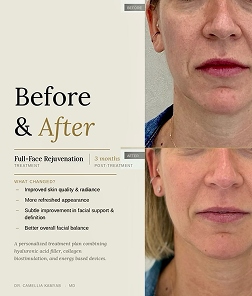
Depending on the product and your anatomy, fillers may be used to support the cheeks, chin, jawline, temples or lips; improve selected folds; or correct certain asymmetries. They can also help restore proportions that change with age as facial fat compartments, bone support and skin quality evolve.
Filler does not tighten substantial loose skin, erase every line or stop the ageing process. A crease caused mainly by repeated muscle movement may respond better to a neuromodulator, while surface texture or pigmentation may need skincare, peels, laser or another skin-focused treatment. The first step is to identify the true cause of the concern.
Why Facial Assessment Matters
A good consultation considers the whole face rather than one feature in isolation. Your doctor will assess facial proportions from different angles, examine the skin and soft tissues, and ask what you hope to change. Photographs may be taken for medical records and planning.
You should disclose previous fillers, dental procedures, allergies, medical conditions, medicines, supplements and a history of cold sores. Active skin inflammation or infection usually means treatment should be postponed. Pregnancy and breastfeeding, bleeding disorders, severe allergies and certain immune or inflammatory conditions also require careful discussion.
What Happens During Dermal Filler Treatment?
After the plan is agreed, the skin is cleansed and the filler is placed using a needle or cannula, depending on the area and technique. Some products contain local anaesthetic, and additional numbing may be used. Treatment time varies with the number and complexity of areas.
Swelling, tenderness, redness and bruising are common short-term effects. Lips can swell more noticeably than other areas. The immediate appearance is not always the final result; swelling needs time to settle, and a review may be recommended before deciding whether any adjustment is appropriate.
Subtle Filler Results: What Makes the Difference?
Structure before size
Strategic support can create a more harmonious result than simply making a feature larger. The best plan respects your facial width, projection, profile and natural asymmetry.
The right product for the right tissue
Fillers differ in firmness, flexibility and how they integrate with tissue. A product selected for lip movement may not be the ideal choice for structural chin support. Product choice and placement depth should match the treatment goal.
Conservative volume
More filler is not automatically better. Overfilling can blur natural contours, create heaviness and make future planning more complicated. A staged treatment allows the face to be reassessed after swelling settles.
Risks You Should Understand
Most side effects are temporary, but fillers can cause infection, lumps, prolonged swelling, asymmetry, product migration, inflammatory reactions or skin discolouration. Rarely, filler can enter or compress a blood vessel. Vascular occlusion can damage skin and, in exceptionally rare cases, affect vision or cause a stroke. Sudden severe pain, unusual blanching or mottling, visual symptoms or neurological changes require immediate medical attention.
This is why knowledge of vascular anatomy, access to emergency protocols and careful follow-up are essential. Needle-free filler devices should be avoided; their safety and effectiveness have not been established in the same way as doctor-administered injections.
How Long Do Dermal Fillers Last?
Duration varies widely by product, treatment area, movement, metabolism and the amount used. Lip filler may behave differently from filler placed along the chin or cheek. Results are temporary, and maintenance should be based on reassessment—not an automatic timetable. Some hyaluronic acid fillers can be dissolved with an enzyme when medically appropriate, but dissolving is also a medical treatment with its own risks.
Choosing the Best Fillers Doctor in Dubai
Searches such as best fillers Dubai, lip fillers Dubai and facial fillers Dubai are common. Instead of relying on price or social media trends, verify that your injector is licensed and medically qualified. Ask about the exact product, expected benefit, realistic longevity, alternatives, complication management and the cost of any planned review.
A trustworthy doctor will not pressure you to treat multiple areas and will explain if filler could worsen heaviness or fail to address your concern. Refusing an unsuitable treatment is a sign of professional judgment.
A Personalised Approach to Dermal Fillers in Dubai
The purpose of well-planned filler is not to create the same face on every patient. It is to support proportion, restore selected contours and keep expression recognisably yours. Dr. Camellia begins with a detailed consultation and a conservative plan tailored to your anatomy. Book an assessment to discuss whether dermal fillers are appropriate for your goals.


 @drcamelliakamyab