Body Skin Tightening in Dubai: What Non-Surgical Treatments Can Do
Loose or crepey body skin can develop after weight change, pregnancy or natural ageing. Sun exposure and changes in collagen and elastin also affect firmness over time. For people who are not ready for surgery, body skin tightening in Dubai may offer gradual, modest improvement—but it is important to understand the limits of non-surgical treatment.
Body tightening devices do not remove large amounts of excess skin and are not a substitute for an abdominoplasty, arm lift or other surgical procedure. Their role is generally to improve mild to moderate laxity by delivering controlled energy into selected tissue layers and encouraging a healing response.
What Causes Loose Body Skin?
Collagen provides structure while elastin helps skin return to shape. Production and organisation change with age. UV exposure, smoking, repeated weight fluctuation and genetics can accelerate the process. Pregnancy can stretch both skin and deeper abdominal tissues, and weight loss may leave an amount of skin that cannot contract fully.
Skin laxity is different from localised fat and cellulite. A patient may have one, two or all three concerns, but they require different treatment strategies. A tightening procedure should not be presented as a weight-loss treatment.
Which Areas Can Be Treated?
Common areas include the abdomen, upper arms, inner thighs, knees, flanks and buttocks. The ideal device and settings depend on skin thickness, the amount of laxity, the presence of fat, previous procedures and your skin’s tendency to pigment or scar.
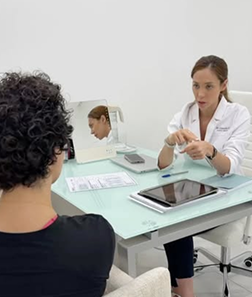
A face-to-face assessment should include the quality of the skin while standing and moving. It may reveal that surgery would provide a more meaningful result, particularly when there is a large fold of excess skin or separated abdominal muscles.
How Non-Surgical Skin Tightening Works
Radiofrequency
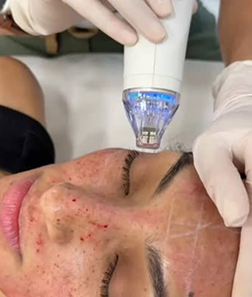
Radiofrequency devices create controlled heat in the tissue. Depending on the platform, treatment may be delivered from the surface or through small needles. The heat can produce an immediate contraction effect and stimulate gradual collagen remodelling. Non-invasive radiofrequency usually involves little downtime, while microneedle-based or minimally invasive options can require more recovery.
Ultrasound
Focused ultrasound can deliver energy below the skin without an incision. It aims to trigger a collagen response in targeted layers. Improvement appears gradually and can vary by body area, device and patient.
Laser and other energy-based systems
Certain lasers heat deeper tissue while protecting or intentionally resurfacing the surface. Some technologies combine modalities to address texture and laxity together. Not every device is suitable for every skin tone, and darker skin needs careful wavelength, energy and cooling choices to reduce burn and pigmentation risk.
What Results Can You Realistically Expect?
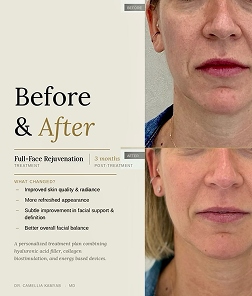
Non-surgical body tightening generally produces a subtle to moderate improvement, not surgical removal of skin. Results often emerge over several months as collagen remodels. A series of sessions may be recommended, and photographs taken under consistent lighting can help assess change objectively.
People with a small amount of laxity, stable weight and healthy skin usually make better candidates than those with extensive excess skin. Results are also more predictable when expectations focus on improved firmness and texture rather than a dramatic lift.
Does Body Skin Tightening Hurt?
Comfort depends on the technology and energy level. Surface treatments may feel warm or briefly intense, while microneedle or minimally invasive options usually involve numbing and more aftercare. Your doctor should explain the expected sensation, downtime and pain-control plan before treatment begins.
Side Effects and Safety
Temporary redness, swelling, tenderness or bruising can occur. Energy-based treatments can also cause burns, blisters, prolonged sensitivity, changes in pigmentation, contour irregularity or scarring. Minimally invasive procedures add risks such as infection and bleeding.
Treatment may be unsuitable during pregnancy, over active infection, or for people with certain implanted devices, medicines or medical conditions. Full disclosure during consultation is important. Seek medical advice promptly if you develop increasing pain, blistering, discharge, marked colour change or other unexpected symptoms.
How to Choose the Best Body Skin Tightening in Dubai
People often search for best body skin tightening Dubai, non-surgical skin tightening Dubai or radiofrequency body treatment Dubai. The device name alone does not guarantee a result. Look for a qualified doctor who can diagnose whether the main concern is lax skin, fat, muscle separation or cellulite, and who offers alternatives rather than forcing every patient into one platform.
Ask who will perform the treatment, what training they have, how the settings are selected for your skin tone and what support is available if a complication occurs. Be cautious of guaranteed centimetre loss, “permanent” claims and dramatic images taken with different posture or lighting.
Supporting Your Results
Maintain a stable weight, avoid smoking and protect exposed skin from UV damage. A balanced diet and appropriate exercise support overall body composition, although they cannot shrink true excess skin. Moisturiser can improve temporary surface hydration, but no cream can reproduce the effect of a medical energy device or surgery.
Dr. Camellia begins body skin-tightening plans with an honest assessment of what non-surgical treatment can achieve. Book a consultation to explore suitable options, likely downtime and whether device-based tightening, another procedure or surgical referral best matches your goals.


 @drcamelliakamyab