
Regenerative Hair Treatments
Regenerative hair treatments are medical and aesthetic approaches that aim to support hair follicle function and address selected forms of hair thinning. These treatments may involve platelet-based therapies or other emerging regenerative techniques, depending on the condition of the scalp and the underlying cause of hair loss.
Dr. Camellia Kamyab approaches regenerative hair treatments through individual assessment and evidence-informed planning. The objective is to understand the condition of existing follicles, identify appropriate options and establish realistic expectations rather than promising complete hair restoration.
The Biology of Hair Renewal
Hair follicles naturally progress through growth, transition, resting and shedding phases. Their activity is influenced by genetics, hormonal signals, age, inflammation and overall health. Certain hair loss conditions gradually affect the ability of follicles to produce thick, healthy strands. Others temporarily disrupt the growth cycle, leading to increased shedding.
Regenerative approaches are being investigated for their potential to influence follicular activity. However, their effectiveness depends on the diagnosis, treatment selected and whether functioning follicles remain present.
Recognising Different Patterns of Thinning
Hair changes can appear in several ways, and understanding their distribution is essential before considering regenerative treatment. Concerns discussed during consultation may include:
- Gradual reduction in hair density
- Thinning around the crown or temples
- A widening central hair parting
- Changes in individual hair thickness
- Persistent shedding over several months
- Reduced scalp coverage
- Limited response to previous treatments
These changes do not automatically indicate suitability for regenerative procedures. Some patients may require treatment for an underlying medical condition before hair restoration is considered.
Platelet-Based and Emerging Regenerative Options
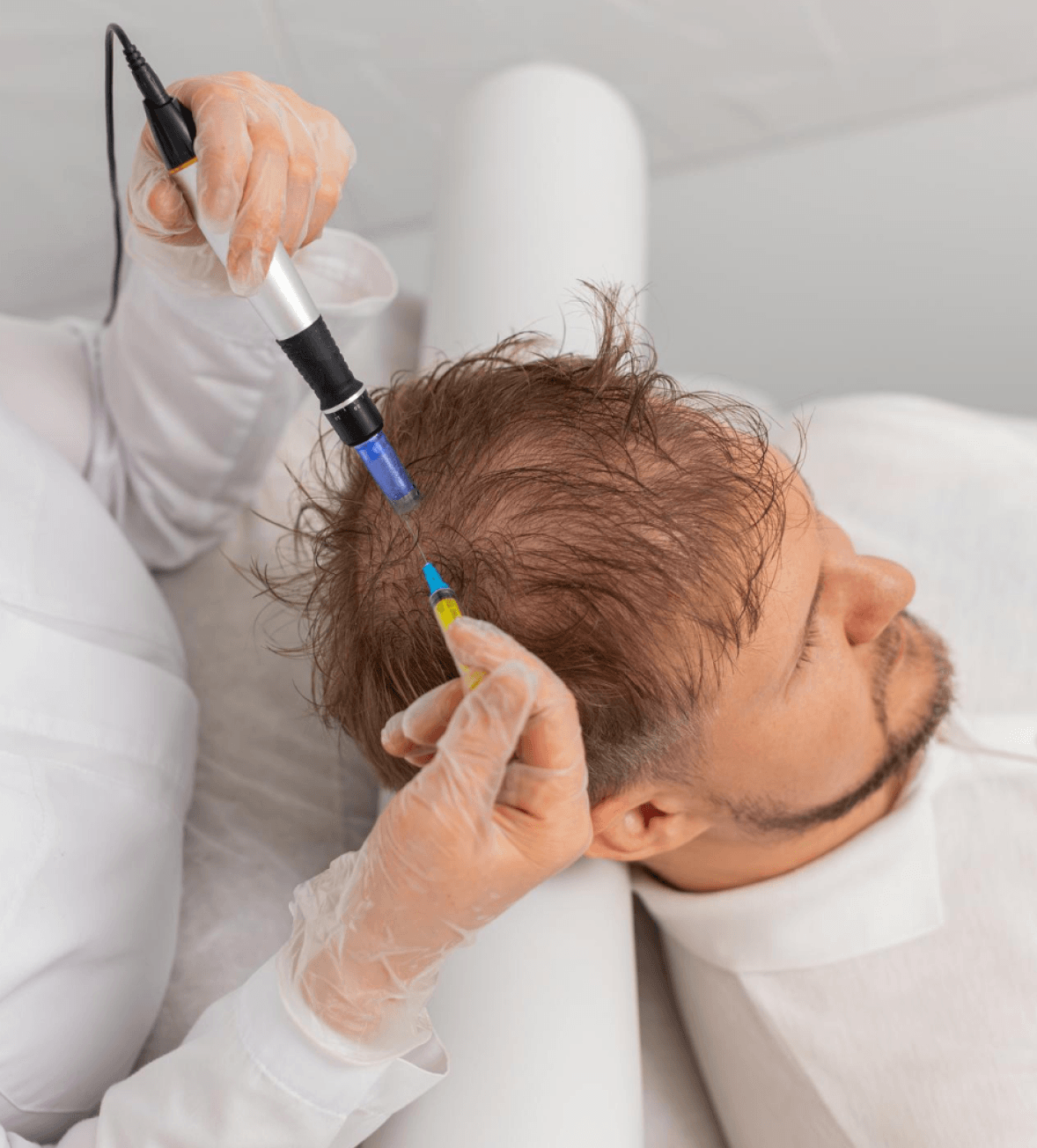
Platelet-Rich Plasma (PRP) is among the better-studied regenerative approaches for selected forms of hair loss. It involves preparing a platelet-rich concentration from the patient’s blood and injecting it into targeted scalp areas.
PRP may improve certain hair growth measures in appropriately selected patients, although results vary and treatment protocols are not fully standardised.
Other approaches, including exosome-based products, are being researched for their potential biological effects. However, clinical evidence and long-term safety data remain limited, and regulatory approval varies. These treatments should not be considered established alternatives to proven medical therapies.
Follicle Viability Defines the Possibilities
A regenerative treatment cannot reliably restore hair in areas where follicles have been permanently destroyed. This distinction is particularly important in scarring forms of hair loss. Dr. Camellia considers scalp condition, the duration of thinning and the pattern of hair changes before discussing treatment possibilities.
Where inflammation, scarring or another complex disorder is suspected, further diagnostic evaluation or specialist referral may be necessary. The priority is to establish whether a regenerative approach has a reasonable clinical purpose.
Personal Factors That Influence Suitability
Treatment decisions should reflect the patient’s medical background and hair restoration goals. A detailed evaluation helps identify potential limitations and determine whether additional investigations are required. Important considerations may include:
- Type and progression of hair loss
- Scalp health and follicle condition
- Previous hair restoration procedures
- Relevant hormonal or nutritional factors
- Current medications and medical history
- Active scalp inflammation or infection
- Individual treatment expectations
These findings guide the selection of suitable interventions while helping avoid procedures that may offer limited benefit or unnecessary risk.
Book a ConsultationDesigning a Logical Treatment Sequence
Regenerative hair care does not necessarily involve combining several procedures. The most appropriate strategy may begin with treating an underlying medical condition or considering established hair loss therapies.
Where regenerative treatment is suitable, the plan may involve a series of sessions followed by reassessment. The frequency and duration depend on the specific procedure and individual response. Dr. Camellia prioritises treatment selection and appropriate sequencing rather than introducing multiple interventions without a defined purpose.
Hair Growth Is Measured in Months
Changes in follicular activity cannot be evaluated immediately after treatment. Hair follows a relatively slow growth cycle, meaning improvements in shedding, thickness or density may take several months to become noticeable.
Progress may be reviewed through scalp examination, consistent photographs and changes in hair coverage. Some patients experience measurable improvement, while others respond minimally or not at all. Continued hair thinning may occur despite treatment, particularly in progressive hereditary conditions.
Recovery and Scalp Protection
The recovery experience depends on the regenerative method used. Injectable treatments such as PRP may cause temporary redness, tenderness, swelling or minor bruising.
Patients receive aftercare instructions based on the procedure performed, including guidance on scalp hygiene, hair products and activity restrictions where necessary. Possible complications, treatment limitations and follow-up requirements should be discussed before proceeding.
A More Considered Future for Hair Health
Regenerative hair treatments may offer supportive options for selected patients, but they cannot guarantee new growth, reverse every form of hair loss or permanently prevent future thinning.
Patients considering regenerative hair treatments in Dubai can arrange a consultation with Dr. Camellia Kamyab to discuss hair loss patterns, scalp health, previous treatments and available options. The aim is to establish an individualised strategy grounded in clinical assessment, appropriate treatment selection and realistic expectations.
SOCIAL WALL
 @drcamelliakamyab

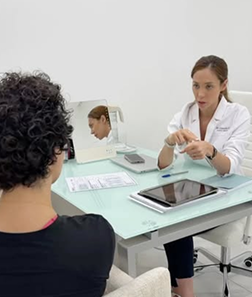
YOUR JOURNEY STARTS WITH AN ASSESSMENT
Every treatment plan begins with understanding you.