
PRP Hair Treatment
Platelet-Rich Plasma (PRP) is a regenerative treatment that uses concentrated platelets obtained from the patient’s own blood. In hair restoration, PRP is injected into selected areas of the scalp with the aim of supporting follicular activity and improving hair density in appropriately selected patients.
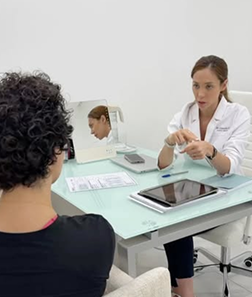
Dr. Camellia Kamyab approaches PRP hair treatment through careful scalp evaluation and individual treatment planning. Rather than considering hair thinning as a single condition, she examines the pattern of hair loss, follicle health and potential contributing factors before determining whether PRP may be suitable.
Concentrating the Body's Own Resources
Blood contains platelets that play an important role in clotting and tissue repair. These platelets also release growth factors involved in biological processes associated with tissue maintenance and healing.
PRP treatment involves separating and concentrating platelets from a small blood sample. The resulting preparation is then used in targeted scalp injections.
Research suggests PRP may improve certain measures of hair growth in some patients, although outcomes vary and the evidence remains limited by differences in preparation methods and treatment protocols.
Hair Changes That May Lead to PRP
PRP may be considered for certain forms of non-scarring hair loss, particularly where functioning follicles remain present. However, suitability depends on the underlying diagnosis rather than the appearance of thinning alone. Concerns that may prompt discussion include:
- Gradual reduction in hair density
- Thinning around the crown or parting
- Early hereditary hair loss
- Reduced hair thickness
- Progressive changes in scalp coverage
- Interest in supportive regenerative hair treatment
PRP is not suitable for every type of hair loss. Conditions involving active inflammation, scarring or underlying medical disorders may require a different approach.
Follicle Viability Shapes the Possibilities
Hair follicles move through biological growth cycles, and their ability to produce hair can change with certain medical conditions or progressive thinning.
PRP is generally considered where viable follicles remain. It cannot reliably restore hair in areas where follicles have been permanently destroyed.
Dr. Camellia considers scalp condition, hair density and the pattern of thinning before discussing treatment. If the cause of hair loss remains uncertain, further diagnostic evaluation may be recommended.
From Blood Collection to Scalp Application
A typical PRP procedure begins with collecting a small sample of the patient’s blood. The sample is processed in a centrifuge to separate platelet-rich plasma from other blood components.
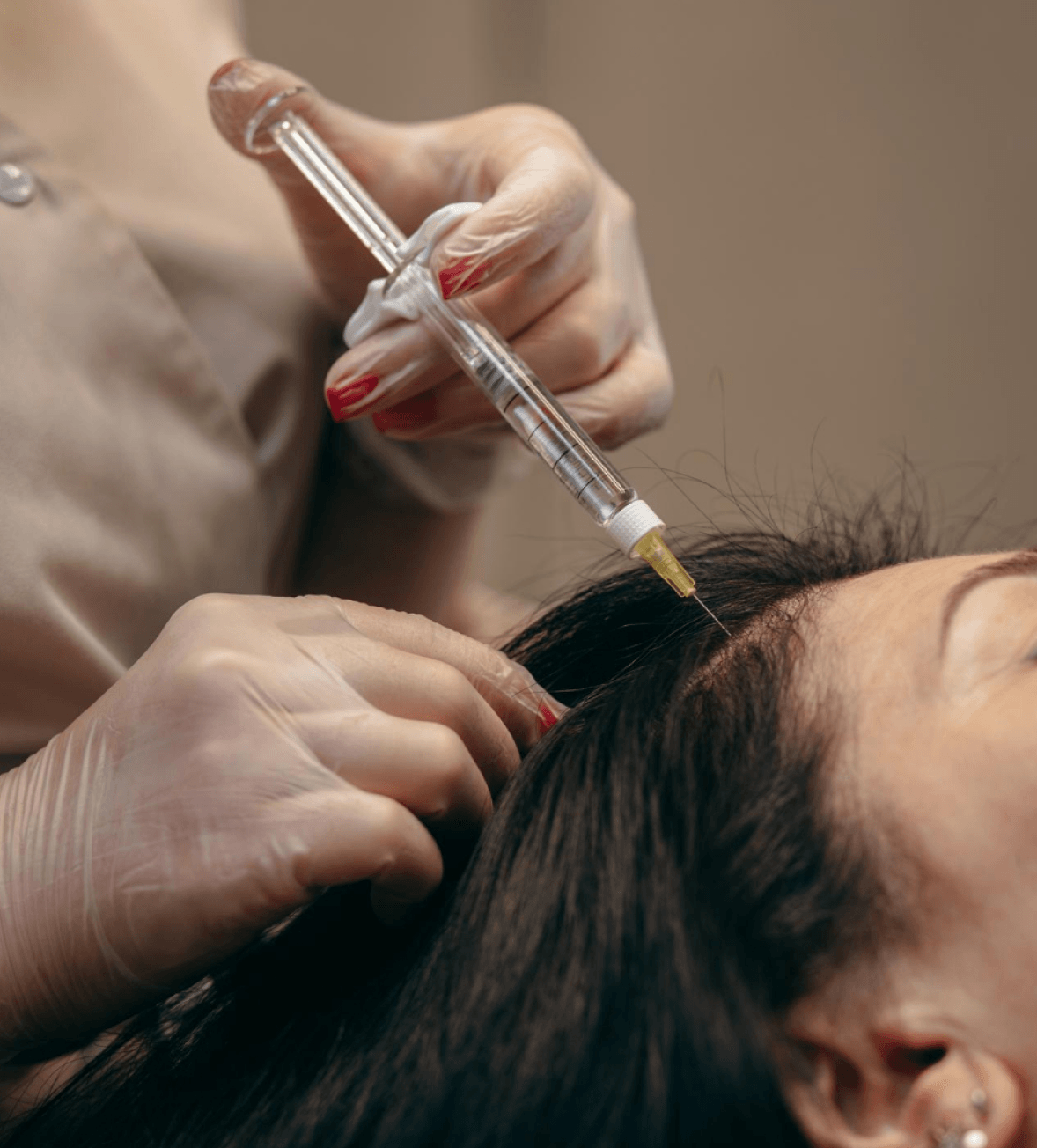
The prepared PRP is then injected into selected scalp areas using a series of small injections. Treatment technique and injection distribution depend on the individual plan. The procedure is usually performed in an outpatient setting. Some patients may experience temporary discomfort during injection, and the approach to pain management can vary.
Treatment Scheduling Follows the Diagnosis
PRP is not generally assessed after a single injection. Treatment protocols used in clinical practice often involve a series of sessions followed by reassessment. The recommended schedule depends on the diagnosis, extent of thinning, treatment response and individual circumstances.
PRP may also be discussed alongside established medical hair loss treatments when appropriate. It should not automatically replace therapies with stronger supporting evidence or delay treatment of an underlying scalp condition.
Book a ConsultationMedical Factors That Influence Eligibility
Before recommending PRP, Dr. Camellia reviews factors that may affect safety, treatment suitability or expected outcomes. Important considerations may include:
- Type and duration of hair loss
- Scalp inflammation or infection
- Platelet or blood-related disorders
- Current medications, including anticoagulants
- Previous hair restoration procedures
- Relevant medical conditions
- Individual expectations and treatment goals
These details help determine whether PRP is appropriate or whether additional investigations should take priority. Not every patient experiencing hair loss will benefit from platelet-based treatment.
Scalp Comfort During the Recovery Period
Following PRP injections, temporary tenderness, redness, swelling or mild bruising may occur around the treated areas. Some patients also experience a brief sensation of scalp tightness or sensitivity. These effects are generally short-lived, although individual recovery varies.
Patients receive aftercare instructions regarding scalp cleansing, physical activity and products to avoid immediately after treatment. The recommendations depend on the procedure performed and individual medical considerations.
Hair Growth Requires Time to Become Visible
Hair growth is gradual, so any response to PRP is usually evaluated over several months rather than immediately after treatment. Changes in shedding, thickness or density may be monitored through clinical assessment and consistent photographs.
Some patients experience improvement, while others notice limited or no measurable response. Results cannot be guaranteed, and PRP does not permanently prevent hereditary hair loss. Ongoing management may be necessary depending on the diagnosis.
Regenerative Support With Realistic Expectations
PRP may offer a supportive option for selected patients, but it is not a universal solution for thinning hair or permanent follicular loss. Appropriate diagnosis and individual treatment planning remain essential.
Patients considering PRP hair treatment in Dubai can arrange a consultation with Dr. Camellia Kamyab to discuss scalp health, hair loss patterns, previous treatments and realistic expectations. The aim is to determine whether PRP has a meaningful role within a personalised hair restoration strategy, with careful attention to clinical suitability and long-term hair health.
SOCIAL WALL
 @drcamelliakamyab

YOUR JOURNEY STARTS WITH AN ASSESSMENT
Every treatment plan begins with understanding you.