
ROSACEA & REDNESS TREATMENT
Rosacea is a long-term inflammatory skin condition that can cause facial flushing, persistent redness, visible blood vessels and sometimes small inflamed bumps. Symptoms often affect the cheeks and nose, although other facial areas may also be involved. Skin sensitivity, stinging and dryness can accompany visible changes.
Dr. Camellia Kamyab approaches rosacea and redness through careful assessment of skin behaviour, previous treatments and individual triggers. The priority is to understand the cause of the redness before selecting care that supports comfort, reduces symptoms and respects the skin’s sensitivity.
A REDNESS PATTERN IS MORE USEFUL THAN A LABEL
Not every red complexion is caused by rosacea. Sun damage, eczema, contact reactions and certain other skin conditions may create a similar appearance. Redness limited to brief episodes may also need a different assessment from colour that remains visible most of the day.
Diagnosis begins with the location and behaviour of symptoms, together with examination and medical history. This distinction helps avoid procedures or skincare that might aggravate a condition mistaken for rosacea.
DIFFERENT FEATURES BENEATH THE SAME FLUSH
Rosacea can present with several overlapping features. A consultation looks at what is actually happening to the skin rather than treating all redness as one concern. Findings may include:
- Frequent flushing after heat, exercise or certain foods
- Persistent colour across the central face
- Fine, visible blood vessels around the nose or cheeks
- Red bumps or pustules without typical blackheads
- Burning, stinging or increased product sensitivity
- Eye irritation, gritty sensations or eyelid changes
Eye pain, light sensitivity or changes in vision deserve prompt medical attention, as rosacea can sometimes affect the eyes.
In deeper skin tones, redness may be less obvious, while warmth, irritation and bumps can be more noticeable. This makes it important to consider symptoms alongside visible skin colour rather than relying on appearance alone.
REPAIRING COMFORT BEFORE CHASING COLOUR
Rosacea-prone skin often reacts badly to excessive exfoliation, fragranced products or complicated routines. A gentle cleanser, suitable moisturiser and daily broad-spectrum sun protection can help reduce avoidable irritation.
A calmer skin barrier does not cure rosacea, but it can make ongoing treatment more tolerable. Dr. Camellia considers current skincare before introducing prescription products or discussing additional procedures.
TREATMENT DEPENDS ON THE DOMINANT SYMPTOM
Inflammatory bumps may respond to prescription treatments such as azelaic acid, metronidazole or ivermectin. In selected cases, an oral medicine may be appropriate under medical supervision.
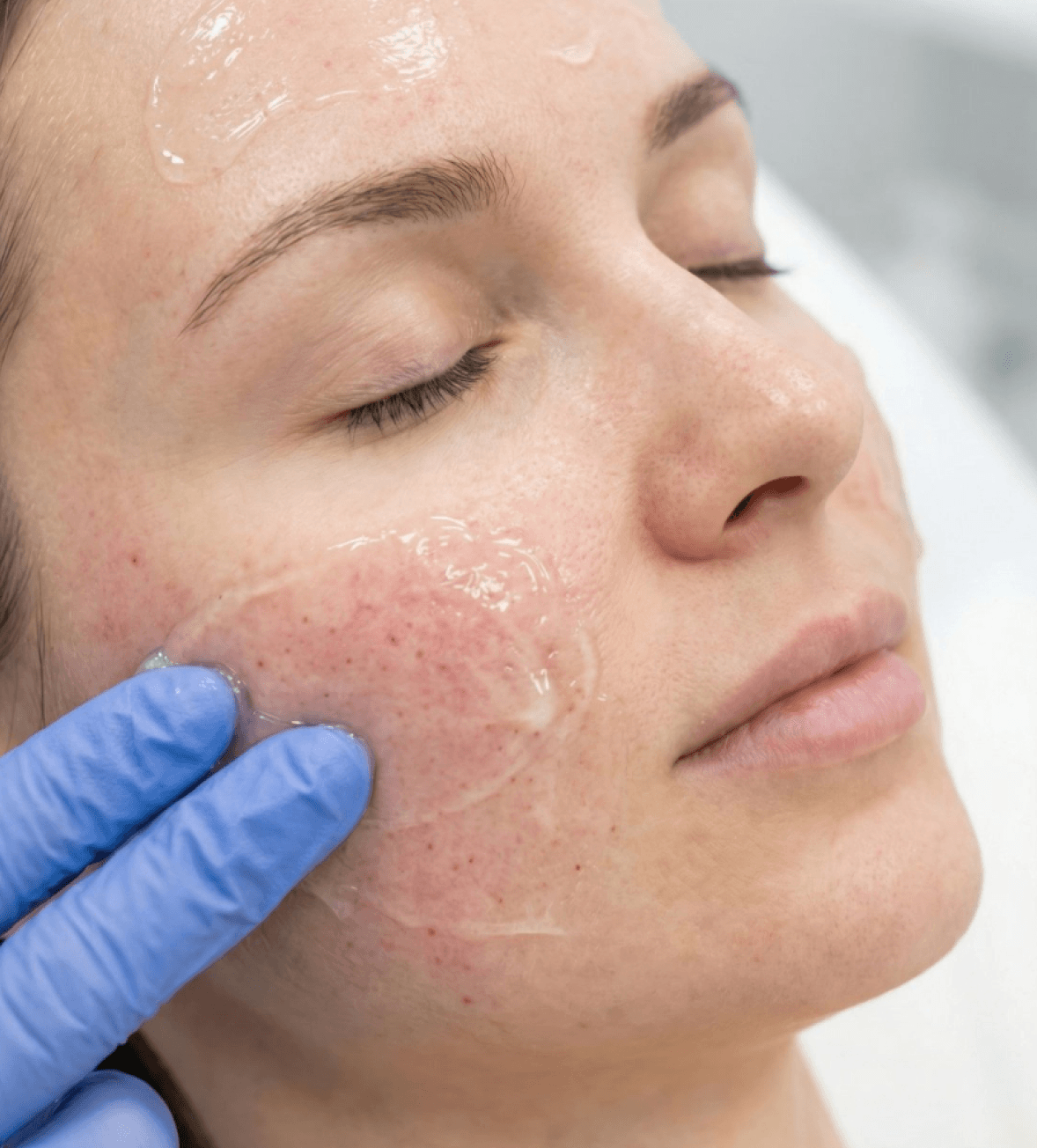
Persistent redness and visible blood vessels may require different options from those used for bumps. Vascular laser or intense pulsed light can help selected patients, but suitability depends on skin type, the technology used and clinician expertise. These procedures are not automatic solutions for every form of facial redness.
CLINICAL DETAILS THAT AFFECT THE RECOMMENDATION
A personalised plan should account for the way the skin responds and any factors that may influence treatment safety. The assessment may review:
- Current prescriptions and active skincare ingredients
- Previous rosacea therapies and treatment response
- Skin tone and tendency towards pigmentation
- Active infection, irritation or other dermatological conditions
- Relevant medical history and medication use
- Pregnancy or breastfeeding, where treatment choices may be limited
These details help decide whether to start conservatively, investigate further or arrange specialist referral.
Book a ConsultationPROGRESS MAY COME IN STAGES
Some treatments target inflammation before persistent colour or visible vessels can be addressed. Introducing several intensive interventions at once may increase irritation and make it difficult to judge what is helping.
Temporary redness or sensitivity may follow certain procedures, and aftercare differs by treatment. Review appointments allow the plan to be adjusted as the skin responds.
TRIGGERS ARE PERSONAL, NOT UNIVERSAL
Sunlight, heat, alcohol and temperature changes are common triggers, but they do not affect everyone equally. Stress, hot drinks or individual skincare ingredients may also contribute to flare-ups.
Tracking symptoms for a short period can reveal useful patterns without requiring a restrictive lifestyle. The objective is to identify practical adjustments, not avoid every activity that might temporarily cause the face to flush.
A HEALTHIER RELATIONSHIP WITH SENSITIVE SKIN
Rosacea commonly fluctuates and may return even after a good response. The aim is ongoing control and skin comfort rather than a promise of permanent clearance or perfectly uniform colour.
Patients seeking rosacea and redness treatment in Dubai can arrange a consultation with Dr. Camellia Kamyab to discuss flare-ups, skin sensitivity and previous care. The focus is a measured, individual plan that helps the skin feel calmer and look more even over time.
SOCIAL WALL
 @drcamelliakamyab


YOUR JOURNEY STARTS WITH AN ASSESSMENT
Every treatment plan begins with understanding you.