
Neck & Décolletage Rejuvenation in Dubai
Neck and décolletage rejuvenation includes treatments aimed at improving the appearance of skin across the neck and upper chest. These areas may develop fine creases, uneven tone, reduced firmness and visible sun damage. Each concern can have a different underlying cause.
Dr. Camellia Kamyab evaluates the neck and décolletage in relation to skin quality, tissue support and natural movement. Her approach is to choose appropriate treatment for the changes present, rather than applying the same procedure or level of correction to every patient.
The Collarbone-to-Jawline Connection
The neck and upper chest are visually connected to the face, yet their skin differs in thickness, movement and exposure. Repeated neck movement can contribute to horizontal lines, while reduced elasticity may gradually soften contours.
The décolletage is frequently affected by cumulative sunlight. Colour changes and fine surface lines can become more noticeable without significant structural changes. Assessing these areas separately helps identify what treatment can realistically improve.
Sun Exposure Leaves Its Own Signature
The upper chest may develop patchy pigmentation, redness or rough texture after years of environmental exposure. Persistent discolouration can reflect several conditions, each requiring appropriate assessment.
Sunspots and other pigmentation changes should be evaluated before aesthetic treatment. Any new, changing or unusual skin lesion requires medical examination rather than routine cosmetic correction. Consistent sun protection remains important for maintaining skin health.
Details Along the Neckline Worth Assessing
A consultation explores whether visible changes are primarily related to skin quality, facial movement or underlying tissue support. Different concerns may require different approaches. Common concerns include:
- Horizontal neck lines visible during movement or at rest
- Fine, crepey skin across the neck or upper chest
- Reduced firmness beneath the jawline
- Uneven pigmentation and sun-related spots
- Redness and irregular skin texture
- Visible vertical neck bands during expression
A treatment that improves skin tone may not address deeper folds, significant laxity or prominent muscular bands.
Creases, Bands and Skin Laxity
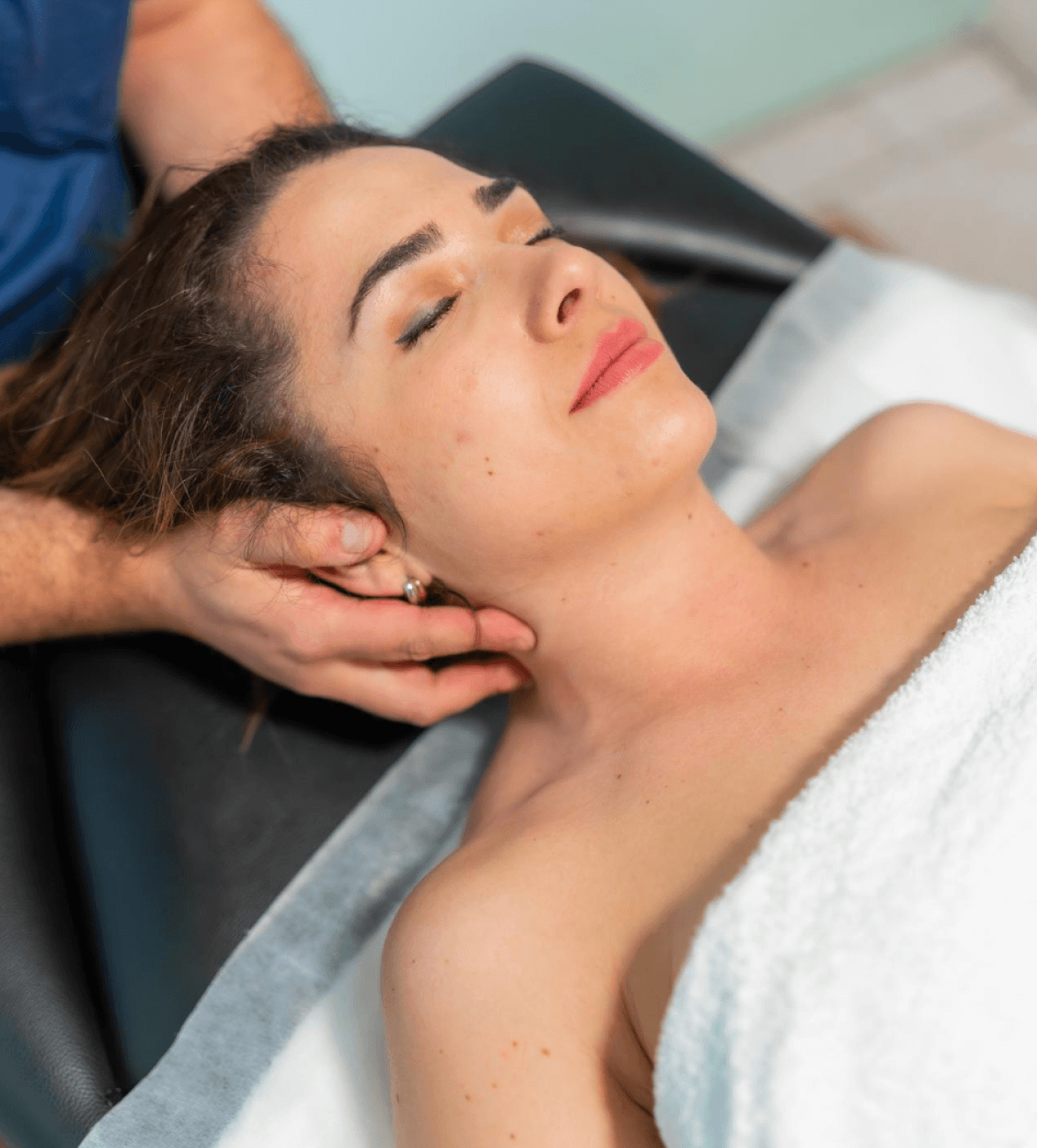
Horizontal lines may reflect natural anatomy and repeated movement, while vertical bands can become noticeable through activity of the platysma muscle. Loose skin involves different changes affecting tissue support and elasticity.
Dr. Camellia considers these distinctions before discussing injectable treatments or skin-focused procedures. Pronounced excess skin is unlikely to respond adequately to non-surgical rejuvenation and may require specialist surgical assessment.
Choosing the Appropriate Depth of Treatment
Depending on the clinical findings, treatment planning may involve selected skin-quality injectables, collagen-stimulating approaches, or laser and energy-based procedures. Certain methods focus on surface texture or pigmentation, while others may improve limited changes in skin firmness.
The neck and upper chest can be particularly sensitive to intensive resurfacing. Product selection, treatment depth and device settings therefore require careful consideration. Any proposed treatment should follow its authorised indications and be selected according to individual suitability.
Book a ConsultationFactors That Shape the Clinical Plan
Skin characteristics, medical history and previous treatments can influence both the expected response and the risk of complications. Dr. Camellia may consider:
- Skin tone and risk of post-inflammatory pigmentation
- Degree of skin laxity and tissue thickness
- Previous injectables, peels or energy-based procedures
- Medical conditions, medications and allergies
- Active irritation, infection or unusual skin lesions
- Sun exposure habits and ability to follow aftercare
These details help determine whether a staged treatment plan, simpler skincare approach or specialist referral would be more appropriate.
A Delicate Region Deserves a Measured Touch
More intensive treatment does not necessarily produce a better result. Attempting to eliminate every crease may increase the risk of unnecessary correction or skin irritation.
Dr. Camellia favours precise, proportionate care that respects natural movement and individual anatomy.
For some patients, modest improvement in skin texture or tone may be more appropriate than pursuing a dramatic tightening effect.
Skin Renewal Takes Time
Recovery depends on the procedure selected. Injectable treatments may cause temporary redness, swelling, tenderness or bruising. Resurfacing and energy-based procedures can involve dryness, peeling, sensitivity and additional downtime.
Pigmentation changes, scarring or other complications are also possible, depending on the technique. Some improvements develop gradually as the skin responds. Aftercare may include careful sun protection, suitable skincare and avoiding unnecessary irritation. Follow-up helps determine whether additional treatment is appropriate.
A Natural Transition From Face to Décolletage
Neck and décolletage rejuvenation may soften selected signs of ageing, but it cannot eliminate every line, reverse substantial skin laxity or prevent future sun damage. Patients considering neck and décolletage rejuvenation in Dubai can arrange a consultation with Dr. Camellia Kamyab to discuss skin texture, pigmentation, firmness and realistic expectations.
The aim is to create a personalised treatment plan that improves skin appearance while maintaining natural proportions and a harmonious transition between the face, neck and upper chest.
SOCIAL WALL
 @drcamelliakamyab

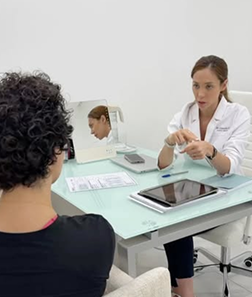
YOUR JOURNEY STARTS WITH AN ASSESSMENT
Every treatment plan begins with understanding you.