
Dermamelan Treatment in Dubai
Dermamelan is a physician-supervised depigmentation protocol developed by mesoestetic for acquired facial pigmentation, including persistent melasma. It combines intensive professional treatment with several months of homecare to reduce visible dark patches and help control their recurrence.
Dr. Camellia Kamyab considers Dermamelan after reviewing the pattern of discolouration, skin sensitivity and previous treatment results. The priority is to establish whether this more intensive approach is appropriate without exposing the skin to unnecessary irritation.
Persistent Pigment Needs an Accurate Diagnosis
Brown patches can arise from melasma, sun exposure, inflammation or other skin conditions. Their appearances sometimes overlap, but their treatment requirements differ. Melasma, in particular, can be persistent because pigment production is influenced by several biological and environmental factors.
A new, changing or unusual pigmented lesion should be medically evaluated before cosmetic depigmentation. The objective is to identify the source of the colour rather than assume that every dark mark will respond to the same method.
A Medical Approach to Difficult Discolouration
Dermamelan differs from a conventional cosmetic peel. Its manufacturer describes it as a medical depigmentation method requiring physician supervision, developed for more severe or resistant pigmentation.
It aims to address visible melanin accumulation while influencing pathways involved in pigment production. However, no treatment can permanently switch off these processes. Hormonal changes, sunlight and individual skin behaviour may continue to affect results.
Identifying the Right Candidates
A consultation establishes which concerns may justify an intensive protocol and whether a more conservative option would be preferable. Concerns discussed may include:
- Persistent melasma affecting the cheeks or forehead
- Dark patches across the upper lip or other facial areas
- Recurrent pigmentation after previous treatment
- Selected post-inflammatory dark marks
- Uneven facial tone caused by excess melanin
Not every pigmented condition is suitable for Dermamelan. Active inflammation, unexplained lesions or sensitive skin may require assessment or management before the procedure.
Two Masks Begin the Treatment Sequence
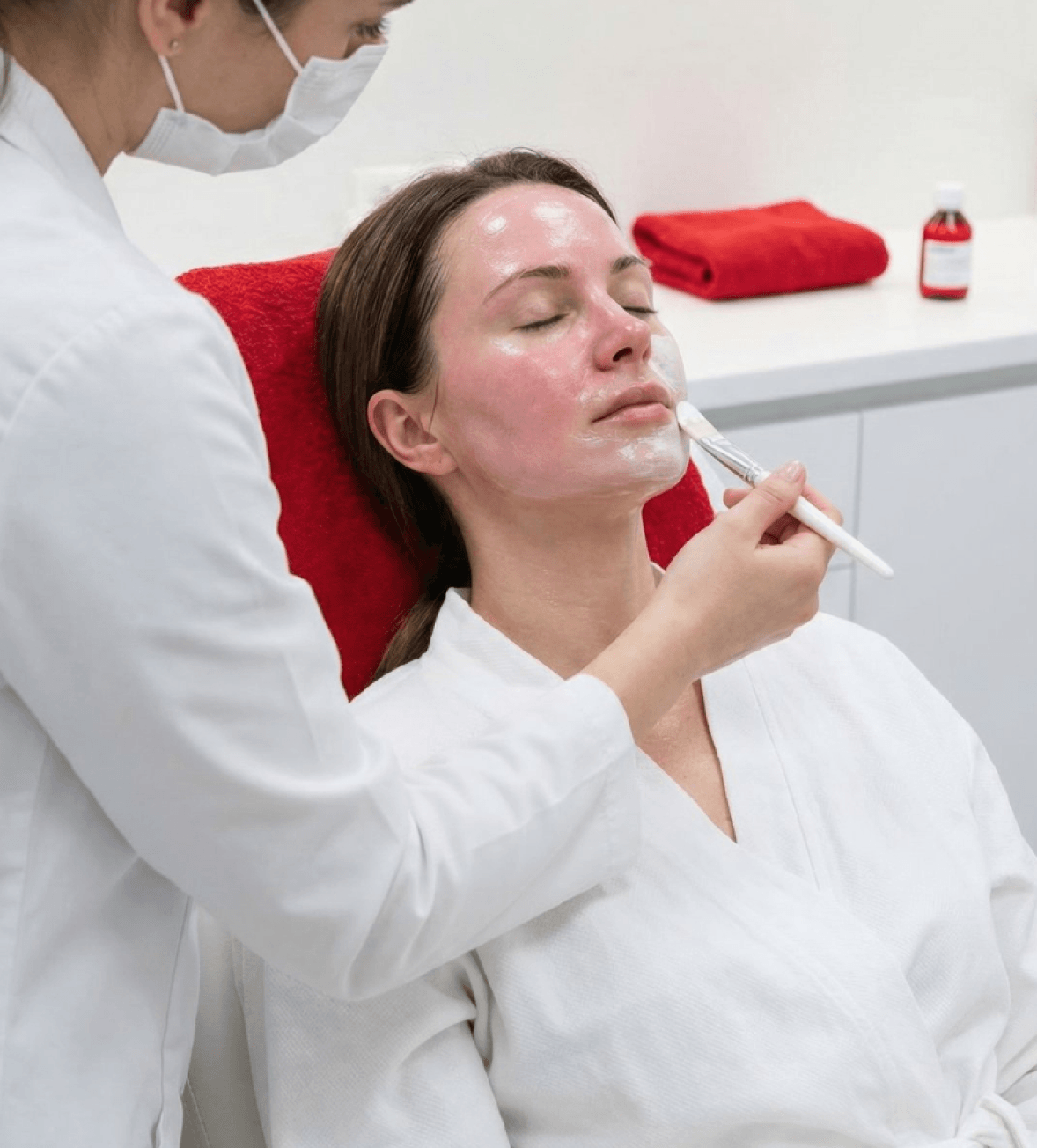
The professional phase involves skin preparation and the application of two complementary depigmenting masks, following the manufacturer’s medical protocol. The patient removes the product at the time specified by the treating clinician.
The exposure period is not a detail to estimate independently. Dr. Camellia considers the skin’s condition and the precise protocol before explaining what the appointment involves and how to care for the skin afterwards.
A Four-Month Commitment Beyond the Clinic
The manufacturer’s current Dermamelan method includes an approximately four-month home phase following the initial application. The homecare products include Dermamelan Treatment, Melan Recovery and a high-protection tinted sunscreen, Melan 130 Pigment Control.
These products have different purposes: continued pigment management, skin comfort and protection from light. Frequency and timing must follow the prescribed instructions. Using more cream than advised will not necessarily speed improvement and may increase irritation.
Book a ConsultationPreparing Skin for an Intensive Protocol
Successful planning includes understanding whether the skin can tolerate depigmentation and whether any medical factors require extra caution. Dr. Camellia may review:
- Current retinoids, exfoliants and other active skincare
- Recent lasers, peels or excessive sun exposure
- History of irritation or post-inflammatory pigmentation
- Active eczema, infection or impaired skin barrier
- Pregnancy or breastfeeding and product suitability
- Ability to follow the homecare and review schedule
Treatment may be deferred when the risk of irritation or an adverse skin reaction outweighs the expected benefit.
Peeling Is Not a Measure of Success
Tightness, redness, sensitivity and flaking can occur as the skin responds. The intensity and duration vary; discomfort that becomes severe or persistent should be reviewed rather than ignored.
Supportive skincare and treatment adjustments may be needed if the skin becomes excessively reactive. Avoid adding harsh exfoliants or other depigmenting products without guidance. A calmer recovery is more important than pursuing dramatic peeling.
Light Protection Remains Non-Negotiable
Melasma can be aggravated by ultraviolet radiation and visible light. Even effective depigmentation may be undermined by inconsistent protection, particularly in a sunny climate such as Dubai.
Daily broad-spectrum sunscreen, sensible reapplication, protective clothing and shade help limit further stimulation of pigment production. Tinted products containing iron oxides may offer additional visible-light protection. These habits remain important after the formal treatment course.
Progress Depends on Consistency
Pigment reduction usually develops over weeks and months, not overnight. Follow-up allows Dr. Camellia to review visible changes, skin tolerance and whether the plan needs adjustment.
Dermamelan may improve selected pigmentary concerns but cannot guarantee complete clearance or prevent recurrence. Patients considering Dermamelan in Dubai can arrange a consultation with Dr. Camellia Kamyab to discuss skin history, expected downtime and realistic results. The aim is more even-looking skin through carefully supervised treatment and appropriate ongoing care.
SOCIAL WALL
 @drcamelliakamyab


YOUR JOURNEY STARTS WITH AN ASSESSMENT
Every treatment plan begins with understanding you.