
Personalised Hair
Restoration Plan
A personalised hair restoration plan brings together medical assessment, scalp evaluation and carefully selected treatments to address individual patterns of hair loss. Rather than relying on a single procedure, the plan considers why hair changes are occurring, how they are progressing and which interventions may be appropriate.
Dr. Camellia Kamyab develops hair restoration strategies around each patient’s hair characteristics, medical background and long-term goals. The focus is on identifying meaningful treatment priorities, avoiding unnecessary procedures and supporting hair and scalp health through a structured, physician-led approach.
A Blueprint Begins With the Cause
Hair thinning can develop for several reasons, including hereditary influences, hormonal changes, nutritional deficiencies, medical conditions and disruptions to the natural hair growth cycle. These causes do not necessarily respond to the same treatments.
Gradual hereditary thinning may require a different strategy from temporary shedding following illness, stress or significant weight changes. Establishing the likely cause is therefore essential before deciding which treatments to include. Where the diagnosis remains uncertain, further investigation may be recommended before proceeding.
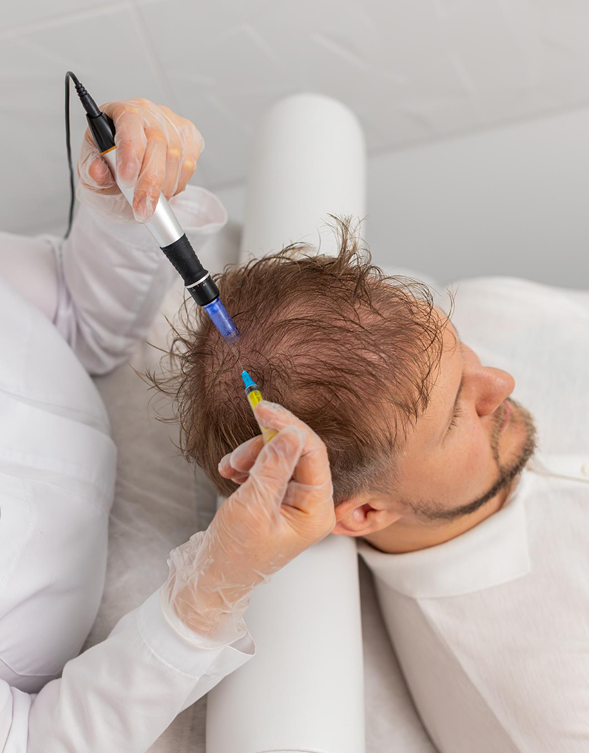
Creating a Baseline for Your Hair Journey
A meaningful restoration plan begins with understanding the current condition of the hair and scalp. This provides a reference point for evaluating changes and helps establish realistic treatment goals. The initial evaluation may include:
- Distribution and pattern of hair thinning
- Hair density and visible scalp coverage
- Condition of the scalp and hair follicles
- Duration and progression of hair loss
- Previous treatments and individual responses
- Relevant medical and family history
- Lifestyle and nutritional considerations
Clinical photographs, scalp examination or selected diagnostic tests may also be considered when appropriate. These findings help distinguish areas that may benefit from treatment from concerns requiring further medical investigation.
Book a ConsultationSelecting Therapies With a Defined Purpose
Hair restoration may involve several treatment options, but not every patient requires the same combination. The choice depends on the underlying diagnosis, follicle condition, severity of thinning and available clinical evidence. Dr. Camellia may consider options such as platelet-rich plasma (PRP), scalp mesotherapy or selected regenerative approaches where medically appropriate. The suitability, limitations and regulatory status of individual treatments must be reviewed before they are included.
Some patients may benefit primarily from managing an underlying medical condition or using established hair loss treatments rather than pursuing additional procedures. The objective is to recommend interventions for a specific clinical reason.
Timing Matters as Much as Treatment Choice
Hair follicles follow biological growth cycles, meaning restoration cannot be evaluated in the same way as an immediately visible aesthetic procedure. A personalised plan may involve an initial treatment phase followed by periods of observation and reassessment.
The timing and frequency of sessions depend on the selected approach and the individual’s response. Introducing several procedures simultaneously is not always necessary. A carefully sequenced strategy can make treatment more manageable while allowing progress to be assessed before further decisions are made.
Defining Progress Beyond Hair Density
Hair restoration outcomes are not measured solely by the appearance of fuller hair. Depending on the diagnosis, reducing excessive shedding, maintaining existing density or stabilising progression may also represent meaningful goals. Follow-up assessments may consider:
- Changes in daily hair shedding
- Stability of the hairline or parting
- Visible density in previously affected areas
- Scalp condition and comfort
- Response to individual treatments
- Changes documented through consistent photographs
Because hair growth occurs gradually, visible improvements may take several months. Some forms of hair loss remain progressive despite treatment, making realistic monitoring particularly important.
Recognising the Limits of Regenerative Care
Regenerative treatments are not suitable for every hair loss condition. Their potential effectiveness depends partly on the underlying diagnosis and whether follicles remain capable of producing hair. Conditions involving significant inflammation, scarring or irreversible follicle damage may require specialist evaluation and a different medical pathway.
Dr. Camellia’s assessment-led approach helps identify situations where further investigation, alternative treatment or referral may be more appropriate than continuing with cosmetic hair restoration procedures.
A Strategy That Evolves With Your Results
Hair restoration planning should remain flexible. Changes in medical health, hormonal status, lifestyle or the progression of hair loss may influence the effectiveness of an existing treatment programme. Regular review allows the plan to be adjusted according to observed results and changing priorities. Some patients may require ongoing management, while others may need only temporary intervention once the contributing cause has been addressed.
There is no universal schedule or guaranteed outcome. The value of a personalised plan lies in responding to the individual rather than following a fixed formula.
A Clearer Direction for Hair Restoration
A personalised hair restoration plan provides a structured approach to understanding hair loss, evaluating suitable treatments and establishing achievable goals.
Patients seeking a personalised hair restoration plan in Dubai can arrange a consultation with Dr. Camellia Kamyab to discuss hair thinning, scalp health, diagnostic findings and previous treatment experiences. The aim is to develop a considered strategy that prioritises appropriate medical care, measurable progress and long-term hair health.
SOCIAL WALL
 @drcamelliakamyab

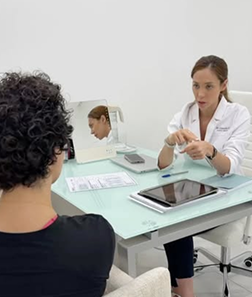
YOUR JOURNEY STARTS WITH AN ASSESSMENT
Every treatment plan begins with understanding you.