
Facial Assessment
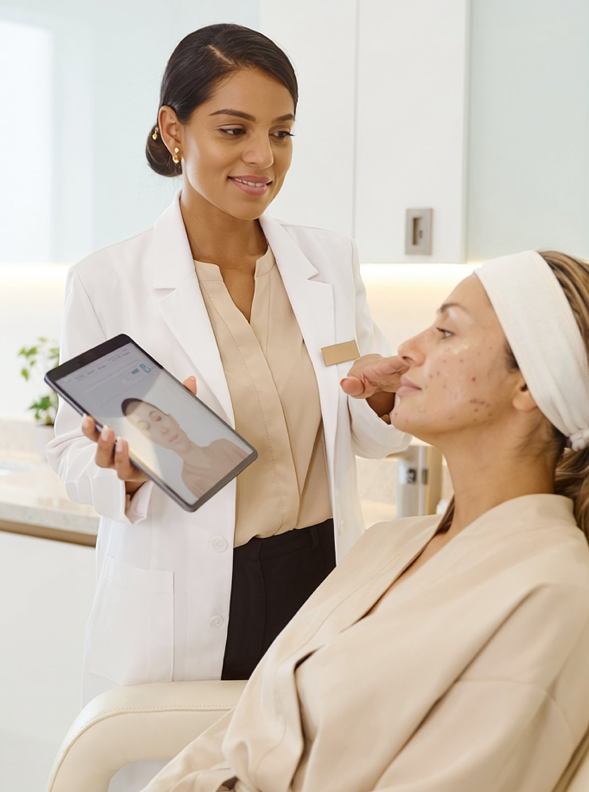
Facial assessment is the foundation of personalised aesthetic treatment planning. It involves examining facial structure, proportions, movement, skin quality and the changes that develop over time. Rather than focusing on one line, feature or area of concern, the assessment considers how the different elements of the face work together.
Dr. Camellia Kamyab approaches facial assessment with an emphasis on medical understanding, precision and restraint. The objective is to identify what is contributing to visible changes, discuss individual goals and determine whether aesthetic or regenerative treatment may be appropriate.
Every Face Has Its Own Architecture
Facial appearance is shaped by the relationship between bone structure, fat distribution, muscle activity and the overlying skin. These elements create the proportions and characteristics that make each face individual.
As ageing progresses, changes may occur at different levels. Some areas lose support, while others develop changes in skin texture or muscle activity. Understanding these differences helps distinguish concerns that may respond to treatment from features that are simply part of natural facial anatomy.
Expressions Reveal More Than Still Images
A face does not remain motionless throughout the day. Smiling, speaking, frowning and raising the eyebrows all influence how features appear and interact.
During assessment, Dr. Camellia considers how the face looks both at rest and in motion. This is particularly relevant when evaluating expression lines, brow position, facial balance and areas where injectable treatments may be considered.
Preserving natural movement is an important part of planning aesthetic treatment, especially when subtle refinement is preferred over noticeable correction.
The Details That Shape a Facial Evaluation
A comprehensive assessment examines more than the area a patient initially wishes to improve. Several anatomical and skin-related characteristics may influence the recommendations. Areas of evaluation may include:
- Overall facial proportions and symmetry
- Facial contours and structural support
- Forehead and eyebrow position
- Muscle activity and expression patterns
- Midface and cheek definition
- Under-eye appearance and surrounding tissues
- Jawline and lower-face contours
- Skin texture, firmness and elasticity
- Pigmentation and other visible skin concerns
These observations help establish which changes are related to facial movement, tissue support or skin quality, allowing treatment discussions to remain focused on the underlying concern.
Skin Quality and Facial Volume Are Different Conversations
Not every visible sign of ageing is caused by volume loss. Fine lines, uneven texture, pigmentation and reduced skin elasticity may develop independently of changes in facial contours.
For example, adding volume may not address a concern primarily related to skin quality. Similarly, a skin-focused treatment may not provide the structural support needed in another area.
Dr. Camellia considers these distinctions before discussing options such as injectables, collagen biostimulation, skin rejuvenation or regenerative treatments. Each approach has a different purpose, and selecting the correct one begins with identifying the source of the concern.
Your Treatment History Tells an Important Story
Previous treatments and individual medical factors can influence how the face should be assessed. Understanding this history is essential before recommending additional procedures. The consultation may include discussion of:
- Previous Botox or dermal filler treatments
- Earlier biostimulatory or regenerative procedures
- Skin treatments and their outcomes
- Current skincare products and medications
- Medical conditions and relevant allergies
- Changes noticed over time
- Personal aesthetic preferences and expectations
This information helps Dr. Camellia evaluate suitability, identify potential limitations and determine whether further treatment, an alternative approach or a period of observation would be more appropriate.
Book a ConsultationCreating a Plan With Clear Priorities
Facial assessment does not automatically lead to a procedure. Its purpose is to establish a clear understanding of the face and identify which concerns, if any, would benefit from intervention.
Some patients may require only one carefully selected treatment. Others may benefit from a staged approach that addresses skin quality, facial movement or structural changes in a considered sequence.
The aim is to avoid unnecessary correction while maintaining harmony between the different facial features.
Subtle Refinement Begins With Better Decisions
Aesthetic treatment should complement the face rather than impose a particular appearance. Natural asymmetry, individual proportions and expressive movement are characteristics worth respecting.
For Dr. Camellia, assessment provides the opportunity to distinguish between changes that genuinely warrant attention and those that do not need correction.
This allows treatment planning to remain proportionate, individualised and medically appropriate.
The First Step Is Understanding Your Face
A facial assessment provides an opportunity to discuss aesthetic concerns, understand the factors contributing to visible changes and explore realistic treatment options without assuming that every concern requires intervention.
Patients seeking a facial assessment in Dubai can arrange a consultation with Dr. Camellia Kamyab to review their facial anatomy, skin condition, previous treatments and individual goals. The intention is to develop a considered plan that respects natural features and places precision ahead of excess.
SOCIAL WALL
 @drcamelliakamyab

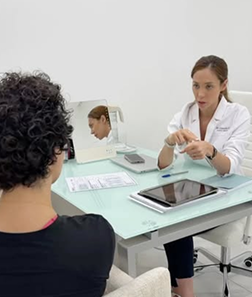
YOUR JOURNEY STARTS WITH AN ASSESSMENT
Every treatment plan begins with understanding you.