Acne Treatment in Dubai: A Practical Treatment Plan
Acne is not simply a teenage problem, and it is not caused by poor hygiene. It can affect adults, recur during hormonal changes and leave dark marks or scars long after active breakouts settle. Effective acne treatment in Dubai begins by identifying the type and severity of acne, the triggers that matter for you and the risk of post-inflammatory pigmentation.
Dubai’s heat, humidity, sun exposure, sweating and frequent use of occlusive skincare can complicate acne-prone skin, but there is no single “Dubai acne.” A personalised plan remains more useful than copying a routine from social media.
What Causes Acne?
Acne develops when pores become blocked by oil and dead skin cells. Inflammation and bacteria contribute to papules, pustules and deeper lesions. Hormones, genetics, stress, certain medicines and comedogenic products can influence the pattern. Friction from helmets, masks or tight clothing may worsen breakouts in specific areas.
Blackheads are not dirt, so aggressive scrubbing will not clean them away. Over-cleansing can damage the skin barrier, increase irritation and make a consistent treatment plan harder to tolerate.
Why an Acne Assessment Matters
A doctor will look for comedones, inflammatory spots, nodules, cysts, dark marks and true scars. The location and timing of breakouts can provide clues, particularly for adult female acne. Conditions such as rosacea, folliculitis, perioral dermatitis and acne caused by medicines can look similar but need different management.
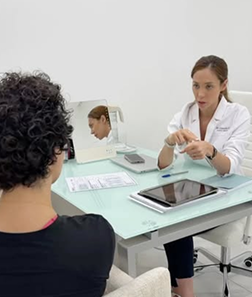
Your consultation should cover current skincare, supplements and medicines; menstrual or hormonal symptoms; pregnancy plans; previous treatment; and how acne affects confidence and daily life. Tell your doctor if lesions are painful, leave scars or worsen suddenly.
Evidence-Based Topical Acne Treatments
Topical retinoids help keep pores clear and are used for blackheads, whiteheads and inflammatory acne. Benzoyl peroxide reduces acne-causing bacteria and is often combined with another treatment. Salicylic acid helps exfoliate inside the pore, while azelaic acid can address acne and the dark marks that follow it.
The right active ingredients, strength and frequency depend on your skin. Starting too many products at once often leads to dryness and confusion about what is working. Many acne treatments need several weeks of consistent use before meaningful improvement is visible. Retinoids and some other medicines are not suitable during pregnancy, so professional guidance is important.
When Oral Treatment May Be Considered
Moderate to severe inflammatory acne may require oral medicine. Options can include a time-limited antibiotic used with topical treatment, hormonal therapy for suitable female patients or isotretinoin for selected severe, scarring or treatment-resistant acne.
These medicines have specific risks, interactions and monitoring requirements. Isotretinoin, in particular, can cause severe birth defects and must be prescribed with strict pregnancy-prevention and follow-up measures. No oral acne medicine should be started from online advice alone.
Acne, Dark Marks and Scars
Brown or grey marks left after a spot heals are often post-inflammatory hyperpigmentation rather than permanent scars. They are especially common in medium to deep skin tones and can take months to fade. Treating active acne early helps prevent new marks, while daily broad-spectrum sunscreen reduces further darkening.
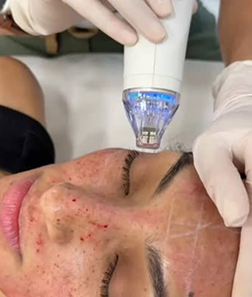
True acne scars change the texture of the skin. Depressed scars, raised scars and enlarged pores require different strategies. Procedures such as microneedling, chemical peels, subcision, laser or energy-based treatments may be discussed only after acne is controlled and the scar type is assessed. Device settings and peel strength must be selected carefully for darker skin tones to reduce the risk of pigment change.
A Simple Acne-Friendly Routine
Cleanse gently
Use a mild cleanser morning and evening, and after heavy sweating when practical. Avoid abrasive brushes, harsh scrubs and repeatedly touching or squeezing spots.
Moisturise even if your skin is oily
A lightweight, non-comedogenic moisturiser can improve tolerance to treatment. Dehydrated, irritated skin is not the same as successfully treated skin.
Protect from the sun
Choose a broad-spectrum, water-resistant SPF 30 or higher that does not clog pores. Tinted sunscreen containing iron oxide may be useful when visible light contributes to pigmentation.
When Should You See an Acne Doctor in Dubai?
Seek medical advice if acne is painful, deep, scarring, widespread or affecting your wellbeing. You should also arrange an assessment if over-the-counter treatment has not helped after consistent use, or if dark marks continue to accumulate. Early treatment can reduce the chance of lasting scars.
Searches for the best acne treatment Dubai, acne doctor Dubai or acne dermatologist Dubai often produce long lists of products and procedures. The best option is the one matched to your diagnosis, skin tone, medical history and ability to follow the plan—not the longest routine.
Build a Plan for Clearer, Healthier Skin
Acne management is usually a process rather than a one-time treatment. A plan may change as inflammation settles, tolerance improves and maintenance becomes the priority. When you consult Dr. Camellia in Dubai, assessment focuses on active acne, pigmentation risk, scarring and a routine that fits life in Dubai. Book a consultation for a personalised treatment plan and clear guidance on what to use, what to avoid and when to review progress.


 @drcamelliakamyab